Why Everyone Is Talking About Gut Health
Gut health has gone from niche wellness buzzword to mainstream priority. Over 80 percent of consumers now say digestive wellness is important to them, and spending on gut-friendly foods and supplements has surged year over year. But beneath the marketing hype lies genuinely fascinating science — and some practical takeaways that can make a real difference in how you feel every day.
Your gastrointestinal tract hosts a complex ecosystem of trillions of bacteria, fungi, and other microorganisms collectively known as the gut microbiome. This ecosystem does far more than digest food. It produces neurotransmitters, trains your immune system, synthesizes vitamins, and communicates directly with your brain through what researchers call the gut-brain axis.
Understanding what actually supports this ecosystem — versus what is just clever marketing — is the first step toward meaningful improvement.
What Your Microbiome Actually Does
The average human gut contains roughly 38 trillion bacterial cells, representing hundreds of distinct species. This community performs several critical functions that go well beyond breaking down your lunch.

Immune regulation is perhaps the most surprising role. Approximately 70 percent of your immune system resides in your gut. The microbiome helps train immune cells to distinguish between harmless substances and genuine threats. An imbalanced microbiome — a state scientists call dysbiosis — has been linked to increased inflammation, autoimmune conditions, and higher susceptibility to infections.
Nutrient synthesis is another key function. Gut bacteria produce essential vitamins including B12, K2, and several B vitamins that your body cannot manufacture on its own. They also break down dietary fiber into short-chain fatty acids like butyrate, which nourishes the cells lining your colon and helps maintain the integrity of the intestinal barrier.
Mental health connections are increasingly well-documented. The gut produces roughly 95 percent of your body's serotonin — a neurotransmitter that regulates mood, sleep, and appetite. Research has shown that the composition of gut bacteria can influence anxiety levels, stress response, and even cognitive function. This gut-brain communication highway runs both directions, which is why stress can trigger digestive symptoms and digestive issues can worsen anxiety.
Probiotics vs. Prebiotics: Understanding the Difference
These two terms get used interchangeably in marketing, but they refer to very different things — and you need both.
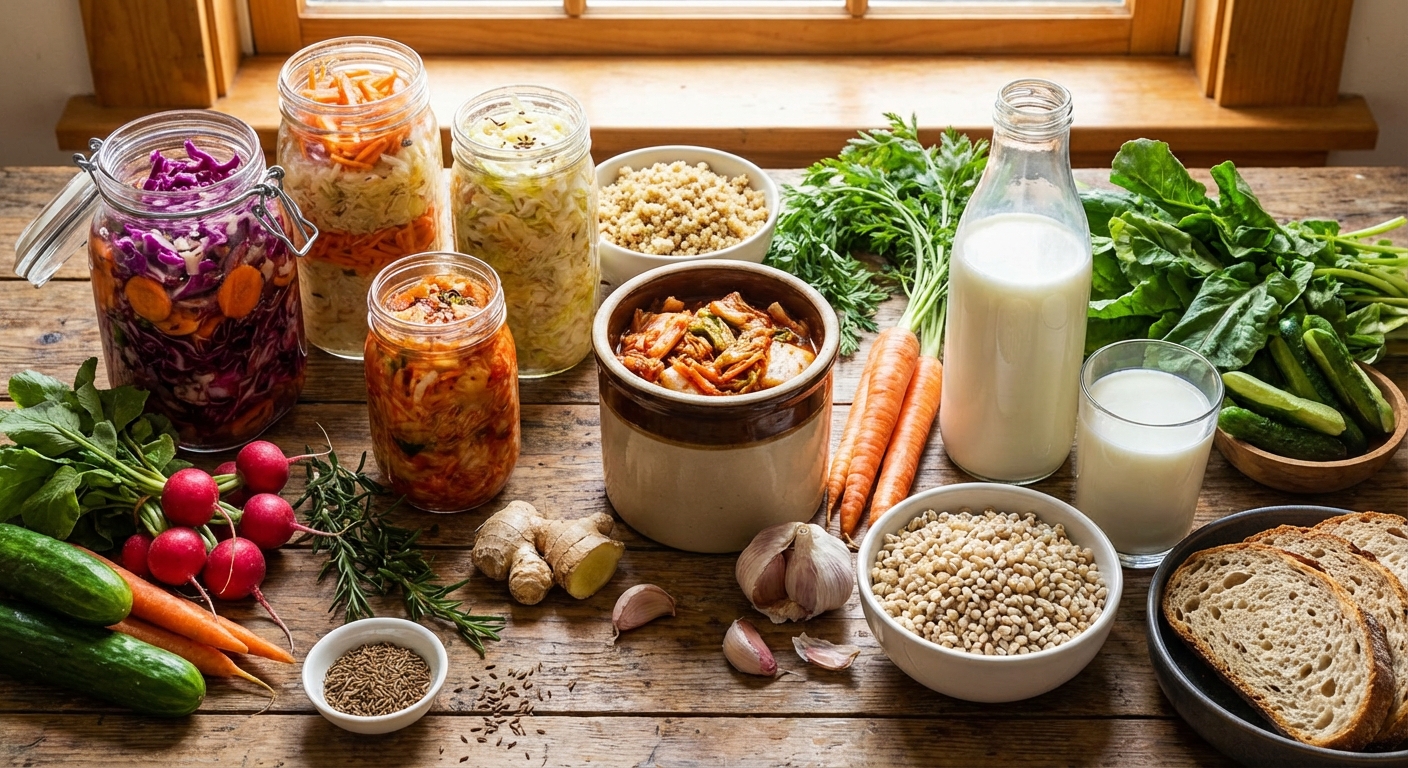
Probiotics are live microorganisms that, when consumed in adequate amounts, provide health benefits. They are the beneficial bacteria themselves. You find them in fermented foods like yogurt, kefir, sauerkraut, kimchi, miso, tempeh, and kombucha. When you eat these foods, you are introducing living bacterial cultures directly into your digestive system.
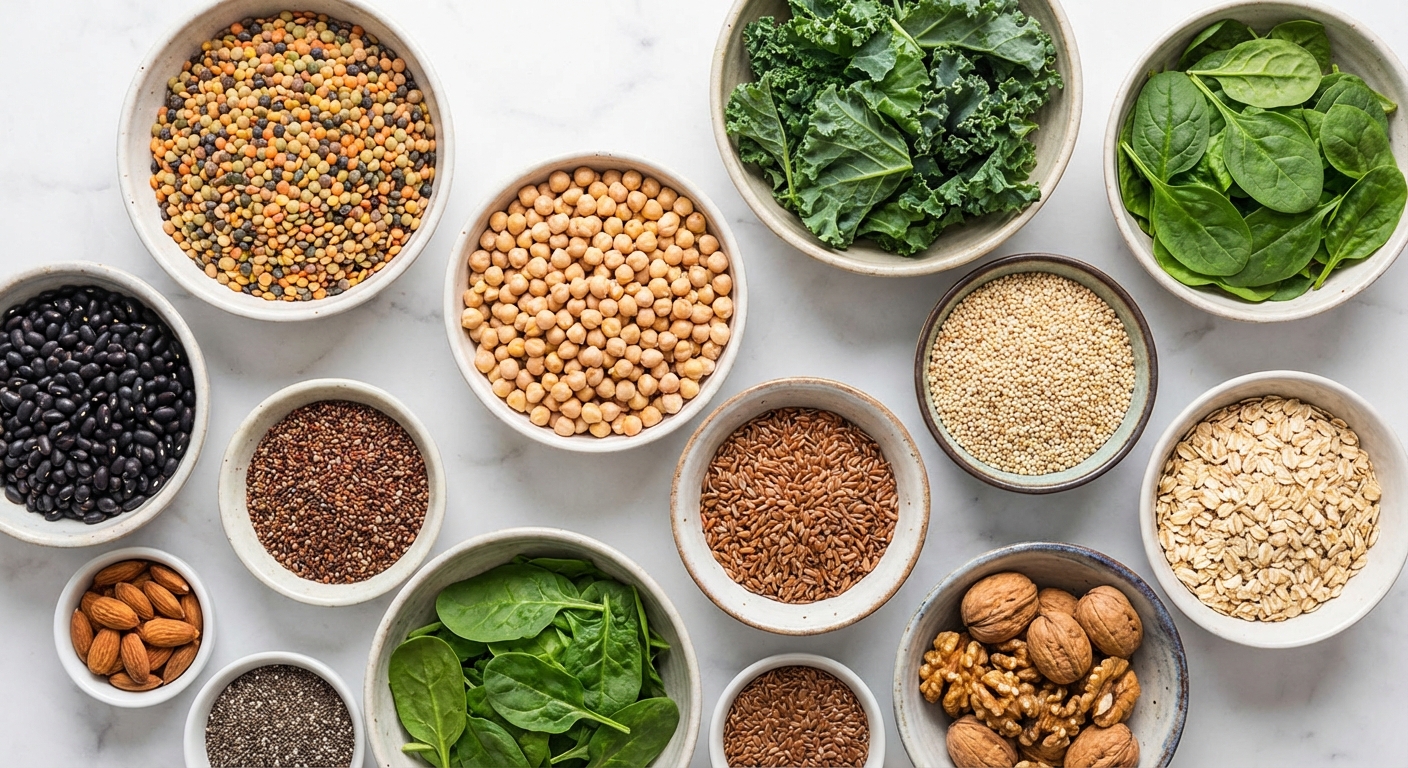
Prebiotics are types of dietary fiber that feed the beneficial bacteria already living in your gut. Think of them as fertilizer for your microbiome. Rich sources include garlic, onions, leeks, asparagus, bananas, oats, and legumes. Without adequate prebiotic fiber, even the most diverse microbiome will struggle to thrive.
The most effective approach is combining both — eating fermented foods to introduce beneficial strains while consuming enough fiber to keep them well-fed. Research suggests that people who eat a diverse range of plant foods — ideally 30 or more different plant species per week — tend to have the most robust and diverse microbiomes.
What Actually Harms Your Gut
Knowing what to eat is only half the picture. Several common habits can actively damage microbiome diversity.
Ultra-processed foods are a major culprit. Diets high in refined sugars, artificial sweeteners, and chemical additives have been shown to reduce bacterial diversity and promote the growth of inflammatory species. The emulsifiers commonly used in processed foods can degrade the protective mucus layer lining your intestines.
Chronic stress directly impacts gut health through the gut-brain axis. Prolonged cortisol elevation alters the composition of gut bacteria, increases intestinal permeability (sometimes called "leaky gut"), and can trigger or worsen conditions like irritable bowel syndrome.
Unnecessary antibiotic use is perhaps the most dramatic disruptor. While antibiotics are life-saving medications when needed, each course can wipe out significant portions of your beneficial bacteria. Full microbiome recovery after a course of antibiotics can take months. This does not mean you should avoid antibiotics when prescribed — it means you should discuss necessity with your healthcare provider and take steps to rebuild your microbiome afterward.
Lack of dietary diversity is an underappreciated factor. Eating the same narrow set of foods — even healthy ones — limits the range of bacteria that can thrive in your gut. Seasonal eating and rotating your vegetable and grain choices naturally promotes diversity.
A Practical Plan for Better Gut Health
Improving your gut health does not require expensive supplements or dramatic dietary overhauls. Here is a straightforward framework based on current research.

Start with fiber. Most adults consume roughly half the recommended daily fiber intake. Gradually increasing your fiber from vegetables, legumes, whole grains, nuts, and seeds is the single most impactful change you can make. Aim for 25 to 35 grams daily, but increase slowly to avoid bloating.
Add one fermented food daily. A serving of yogurt at breakfast, a forkful of sauerkraut with lunch, or a small glass of kefir in the afternoon introduces beneficial bacteria consistently. Variety matters here too — different fermented foods contain different bacterial strains.
Diversify your plants. Challenge yourself to eat 30 different plant foods per week. This sounds ambitious, but herbs, spices, nuts, and seeds all count. A morning smoothie with spinach, banana, flaxseed, and ginger already covers four.
Manage stress deliberately. Regular exercise, adequate sleep, and stress-reduction practices like deep breathing or meditation have all been shown to positively influence microbiome composition. The gut-brain axis means that calming your mind genuinely helps your gut.
Be patient. Meaningful shifts in microbiome composition take weeks to months, not days. Consistency matters far more than perfection. Small, sustainable changes maintained over time will produce better results than a dramatic two-week gut reset that you cannot maintain.
The Bottom Line
Gut health is not a trend — it is a fundamental pillar of overall wellness that science is only beginning to fully understand. The good news is that the most effective strategies are also the simplest: eat more plants, include fermented foods, reduce processed food intake, manage stress, and give your body time to adapt. Your microbiome is remarkably resilient and responsive. Feed it well, and it will return the favor.