Getting a good night's sleep has moved far beyond simply logging eight hours under the covers. In 2026, sleep optimization has become one of the fastest-growing areas in health and wellness, driven by new research into circadian biology, recovery science, and the rise of smart bedroom technology. Whether you are an athlete chasing peak performance or someone who just wants to wake up feeling refreshed, the latest strategies for improving sleep quality are more accessible and effective than ever.
This guide breaks down the science of sleep optimization, the technology reshaping how we rest, and practical steps you can take tonight to start sleeping better.
Why Sleep Quality Matters More Than Sleep Quantity
For years, the standard advice was simple: get seven to nine hours of sleep. But researchers now emphasize that sleep quality — how efficiently you cycle through light, deep, and REM stages — matters just as much as total hours. Poor-quality sleep, even at adequate duration, is linked to impaired memory consolidation, weakened immune function, and slower physical recovery.
Key markers of high-quality sleep include:
- Sleep latency — falling asleep within 15 to 20 minutes of lying down
- Sleep efficiency — spending at least 85 percent of your time in bed actually asleep
- Deep sleep duration — achieving 60 to 90 minutes of slow-wave sleep per night
- Minimal awakenings — waking up no more than once during the night
Understanding these metrics is the first step toward meaningful improvement. Instead of obsessing over bedtime, focus on what happens after you close your eyes.
The Rise of the Sleep Sanctuary: Designing Your Bedroom for Recovery
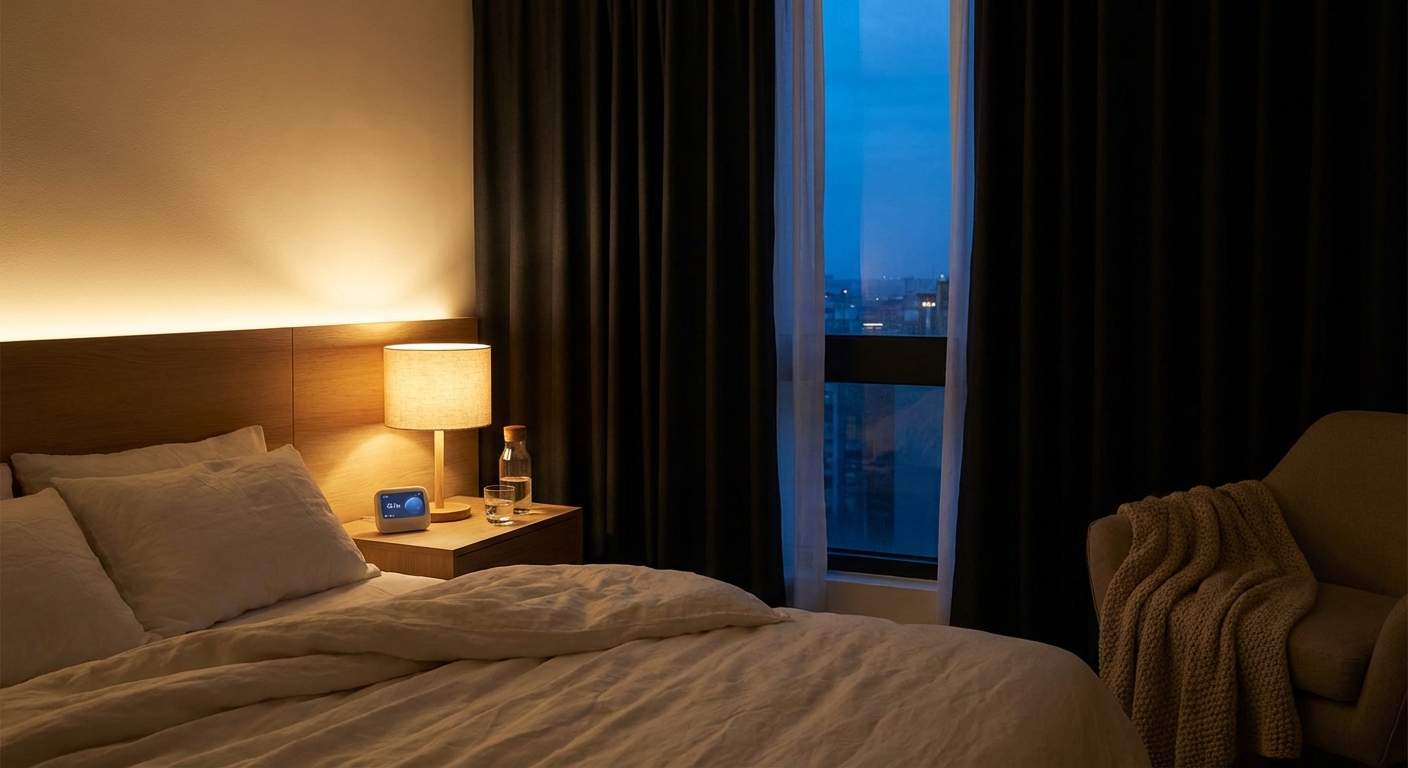
One of the biggest wellness trends of 2026 is the concept of the sleep sanctuary — transforming your bedroom into an environment specifically engineered for restorative rest. This goes well beyond a comfortable mattress.
Light control is foundational. Exposure to blue light from screens suppresses melatonin production, making it harder to fall asleep. Blackout curtains or smart blinds that gradually dim in the evening can align your environment with your circadian rhythm. Circadian-friendly lighting systems that shift color temperature throughout the day — warmer tones in the evening, cooler tones in the morning — are becoming popular upgrades for sleep-focused households.
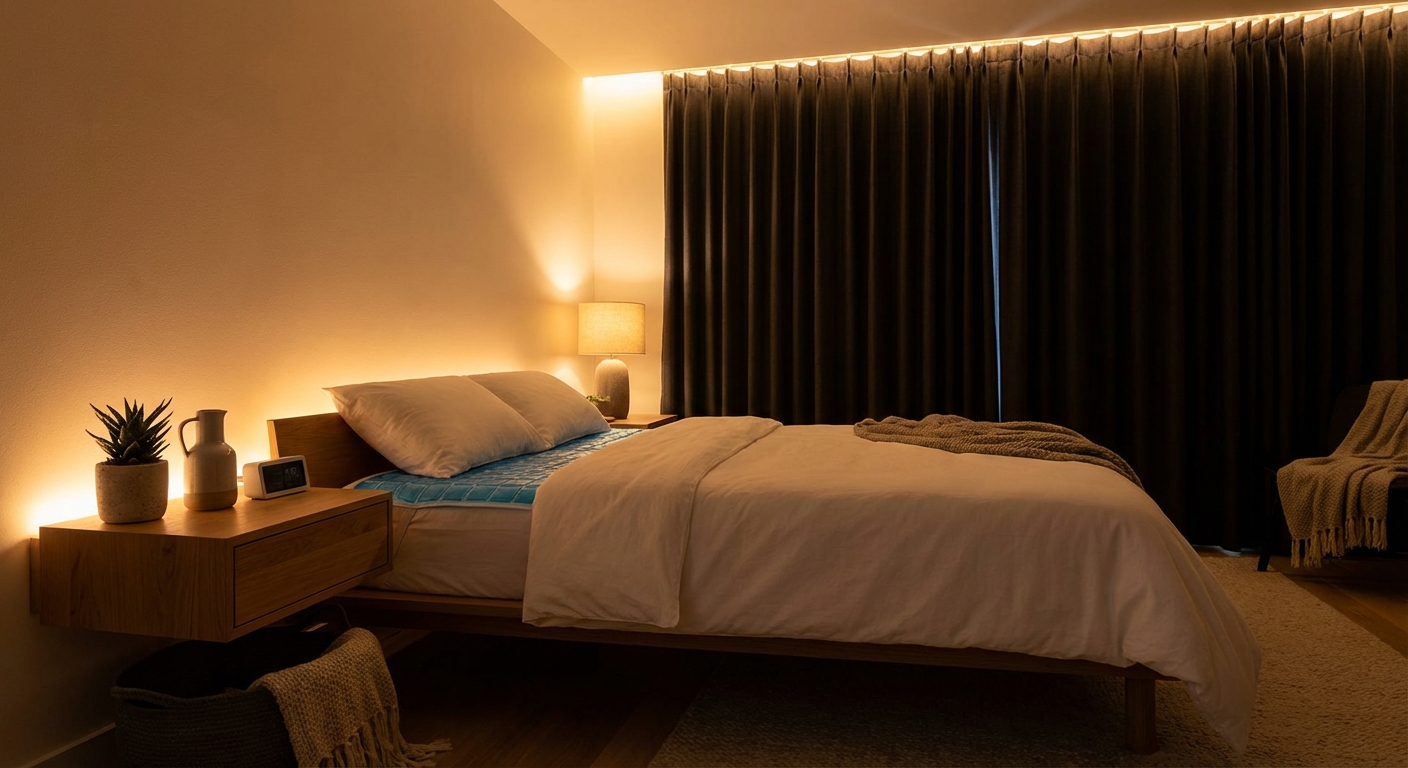
Temperature regulation plays a critical role. Research consistently shows that a cooler sleeping environment, typically between 60 and 67 degrees Fahrenheit, promotes deeper sleep. Cooling mattress pads, breathable bed linens made from natural fibers, and smart thermostats that lower the temperature on a schedule all contribute to better thermal comfort overnight.
Sound management is the third pillar. Whether it is a noisy street or a snoring partner, unwanted sound disrupts sleep architecture. White noise machines, pink noise generators, and even soundproofing upgrades are increasingly common in bedrooms designed for optimal rest.
How Smart Technology Is Personalizing Sleep
The sleep technology market is booming, projected to reach over 58 billion dollars globally by the end of the decade. What makes the current generation of sleep tech different from earlier gadgets is personalization powered by artificial intelligence.
Modern sleep-tracking wearables — rings, watches, and under-mattress sensors — now measure far more than just movement. They capture heart rate variability, blood oxygen levels, skin temperature shifts, and respiratory rate to build a comprehensive picture of your sleep architecture each night.
The real value comes from what happens with that data. AI-driven sleep coaching platforms analyze your trends over weeks and months, then deliver actionable recommendations. These might include adjusting your bedtime by 20 minutes, reducing caffeine intake after a certain hour, or modifying your evening exercise routine based on how your body responds.
Some of the most promising developments include:
- Adaptive smart mattresses that adjust firmness and temperature in real time based on your sleep position and stage
- Circadian lighting systems that sync with your wearable data to optimize light exposure throughout the day
- AI sleep coaches embedded in apps that learn your patterns and nudge you toward better habits
The key trend is a shift from passive tracking to active intervention — devices that do not just tell you how you slept, but actively help you sleep better tonight.
Recovery Science: Why Rest Is the New Performance Hack
In the fitness and wellness world, 2026 has cemented recovery as a first-class priority rather than an afterthought. Elite athletes have long understood that adaptation and growth happen during rest, not during training. Now that insight is reaching everyday fitness enthusiasts.
Sleep is the foundation of recovery. During deep sleep, your body releases human growth hormone, repairs muscle tissue, and consolidates motor skills learned during the day. Shortchanging sleep by even one hour can reduce next-day athletic performance by up to 10 percent and significantly slow injury healing.
Beyond sleep itself, complementary recovery practices are gaining traction:
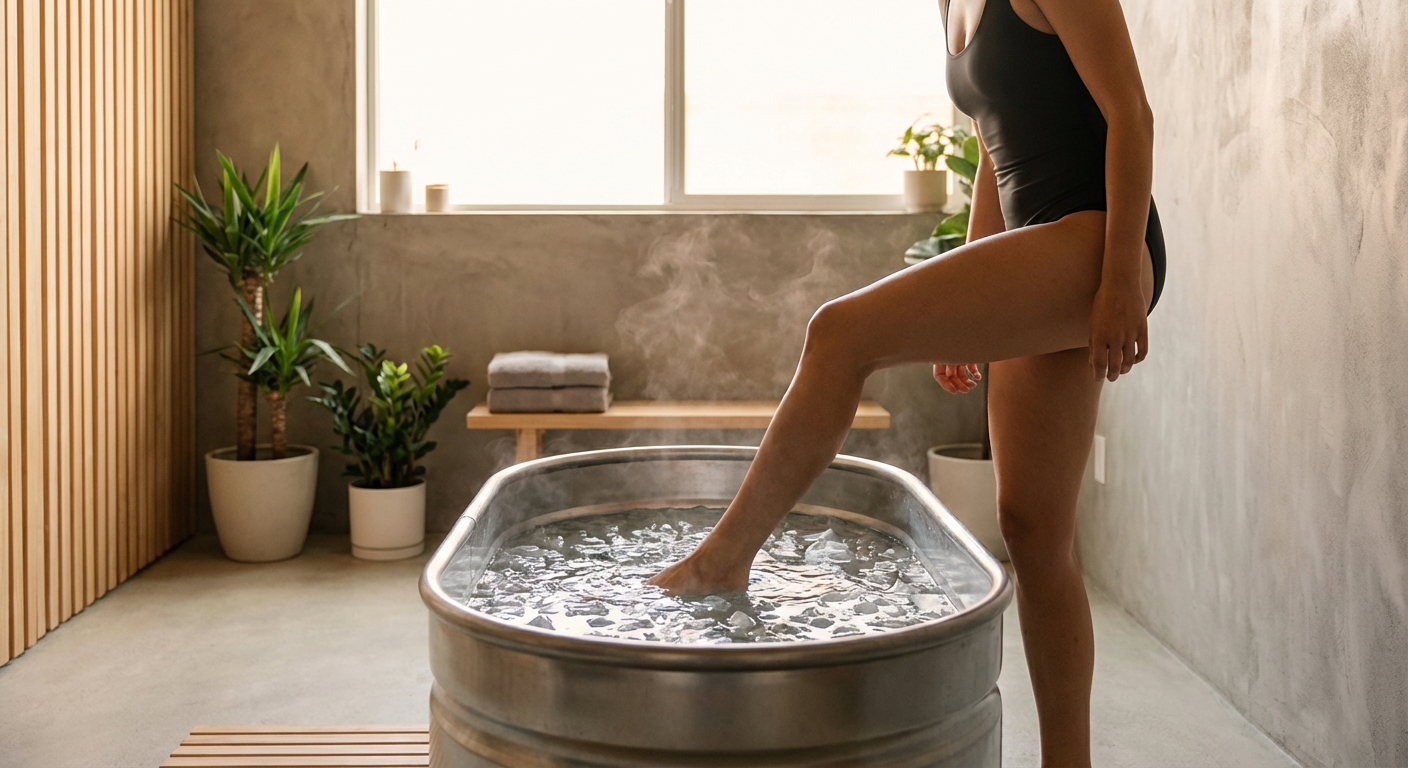
- Cold exposure — cold plunges and cold showers after intense exercise reduce inflammation and accelerate muscle recovery. The optimal protocol appears to be 2 to 5 minutes at 50 to 59 degrees Fahrenheit within two hours of exercise.
- Infrared therapy — infrared saunas and wearable infrared devices penetrate deeper than traditional heat, promoting blood flow and reducing delayed-onset muscle soreness.
- Percussive therapy — handheld massage devices deliver rapid pulses to muscle tissue, breaking up tension and improving circulation. These have become standard equipment in home gyms.
- Breathwork and meditation — structured breathing exercises before bed activate the parasympathetic nervous system, lowering heart rate and cortisol levels to prepare the body for sleep.
The common thread is that recovery is no longer passive. It is an active, intentional practice that starts with optimizing your sleep and extends into deliberate recovery protocols throughout the day.
Nutrition and Timing: What You Eat Affects How You Sleep
Your diet has a direct impact on sleep quality, and the timing of your meals matters as much as the content.
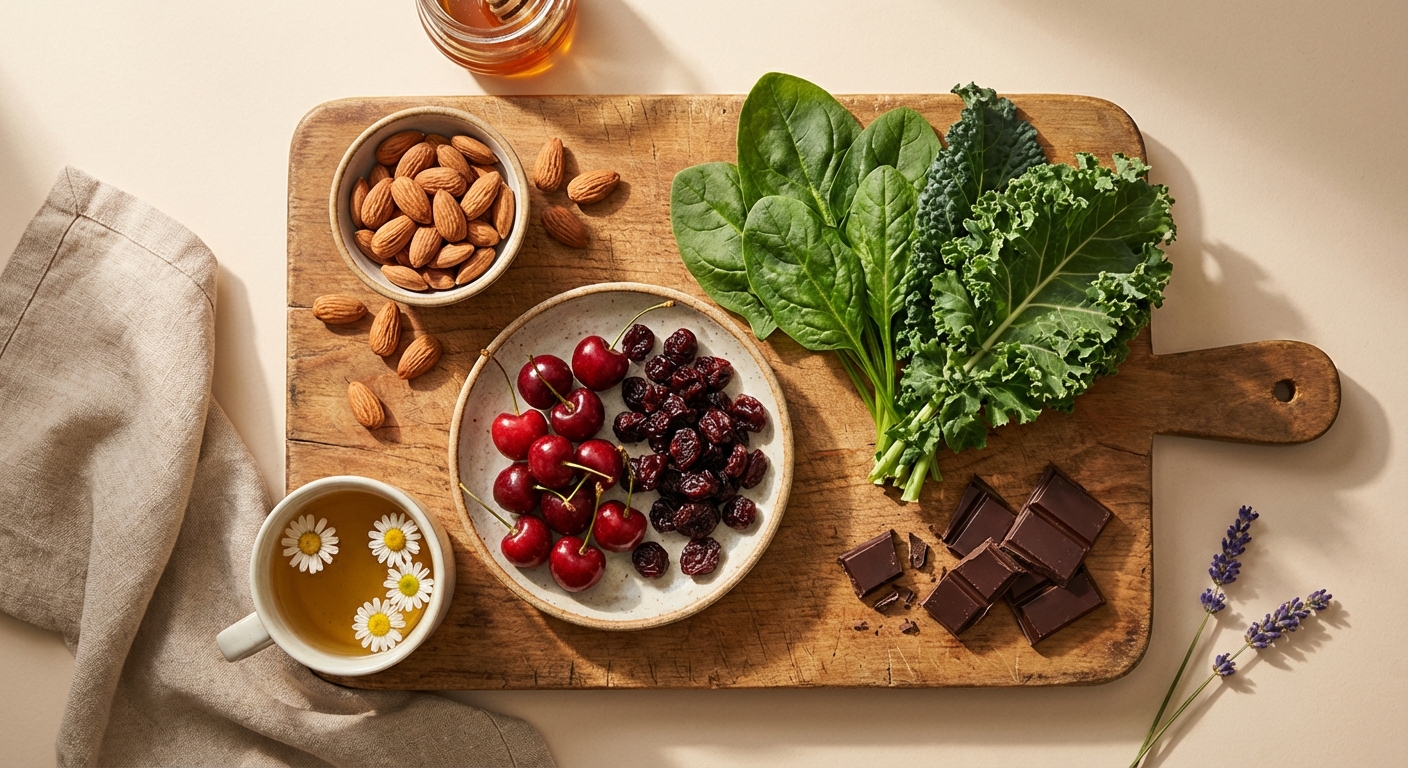
Foods that support sleep include those rich in magnesium (leafy greens, nuts, seeds), tryptophan (turkey, eggs, dairy), and complex carbohydrates that promote steady blood sugar levels overnight. Tart cherry juice has gained attention for its natural melatonin content, with studies showing modest improvements in sleep duration and quality.
Timing guidelines for better sleep:
- Finish your last large meal at least three hours before bedtime to allow digestion
- Limit caffeine after early afternoon — caffeine has a half-life of roughly five hours, meaning a 2 PM coffee still has half its stimulant effect at 7 PM
- Avoid alcohol close to bedtime — while it may help you fall asleep faster, it disrupts REM sleep and increases nighttime awakenings
- A small protein-rich snack before bed, such as a handful of almonds or a glass of milk, can stabilize blood sugar and support overnight muscle repair
Building Your Sleep Optimization Routine
Putting it all together does not require a complete lifestyle overhaul. Start with these evidence-based steps and build from there:
- Set a consistent sleep and wake time — even on weekends. Your circadian clock thrives on regularity.
- Create a wind-down routine — dim the lights, put away screens, and engage in a calming activity like reading or stretching for 30 to 60 minutes before bed.
- Optimize your bedroom environment — cool temperature, total darkness, and minimal noise.
- Track and iterate — use a wearable or sleep app to monitor your sleep stages and experiment with changes one at a time.
- Prioritize recovery days — if you exercise regularly, schedule at least one or two full rest days per week and treat sleep as part of your training program.
- Mind your intake — pay attention to caffeine timing, evening meal size, and hydration levels.
The science is clear: better sleep is not a luxury. It is the single most impactful thing you can do for your physical health, mental clarity, and long-term well-being. With the tools and knowledge available in 2026, there has never been a better time to take your rest seriously.