Energy costs keep climbing, and most households have no idea where their money is actually going. The average home wastes 20 to 30 percent of its energy on inefficiencies that are invisible without the right tools — phantom loads from idle devices, heating and cooling empty rooms, and appliances running longer than necessary.
Smart energy monitoring changes that. By giving you real-time visibility into how every watt is being used, these systems help you make targeted changes that add up fast. Here is how to set up a smart energy monitoring system that actually saves you money.
Why Traditional Energy Saving Advice Falls Short
You have heard it all before — turn off lights, unplug chargers, lower your thermostat. While these tips are not wrong, they target the smallest parts of your energy bill. Lighting accounts for roughly 10 percent of residential energy use. Your heating and cooling system, water heater, and major appliances account for the rest.
Without knowing which specific devices are consuming the most power and when, you are guessing. Smart monitoring replaces guesswork with data.
The Building Blocks of a Smart Energy System
Whole-Home Energy Monitors
A whole-home energy monitor connects to your electrical panel and tracks total energy consumption in real time. Most modern monitors can disaggregate this data — meaning they can identify individual appliances by their electrical signature without requiring separate sensors on each device.
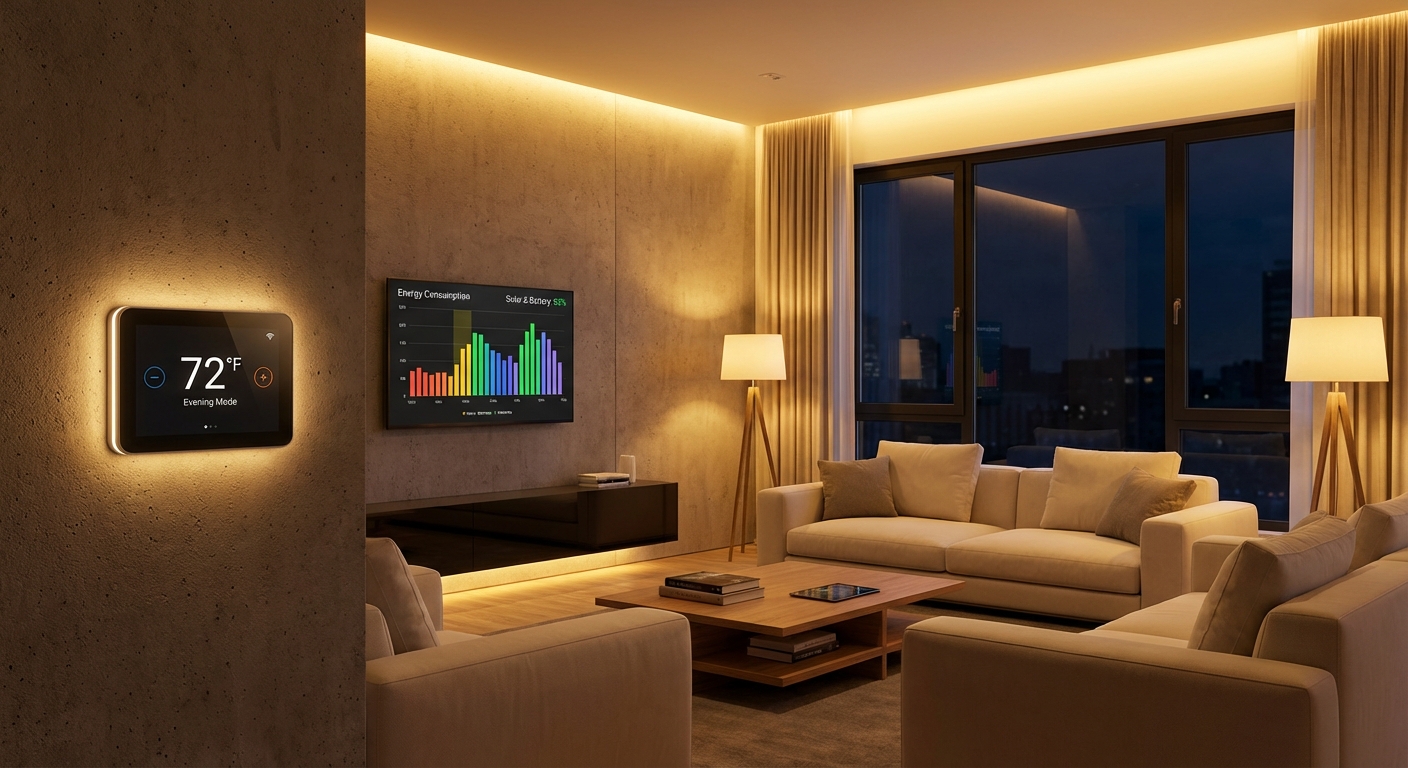
These monitors typically connect to a smartphone app that shows you live usage, historical trends, and cost estimates. The best systems send alerts when they detect unusual consumption patterns, like a refrigerator running inefficiently or a water heater cycling too frequently.
Smart Plugs and Outlet Monitors
For more granular data, smart plugs sit between your devices and the wall outlet. They measure exactly how much energy each device draws, including in standby mode. This is eye-opening — many electronics consume surprising amounts of power even when "off."
Smart plugs also let you schedule devices to turn off completely during hours you do not need them, eliminating phantom loads that can account for 5 to 10 percent of your total energy use.
Smart Thermostats
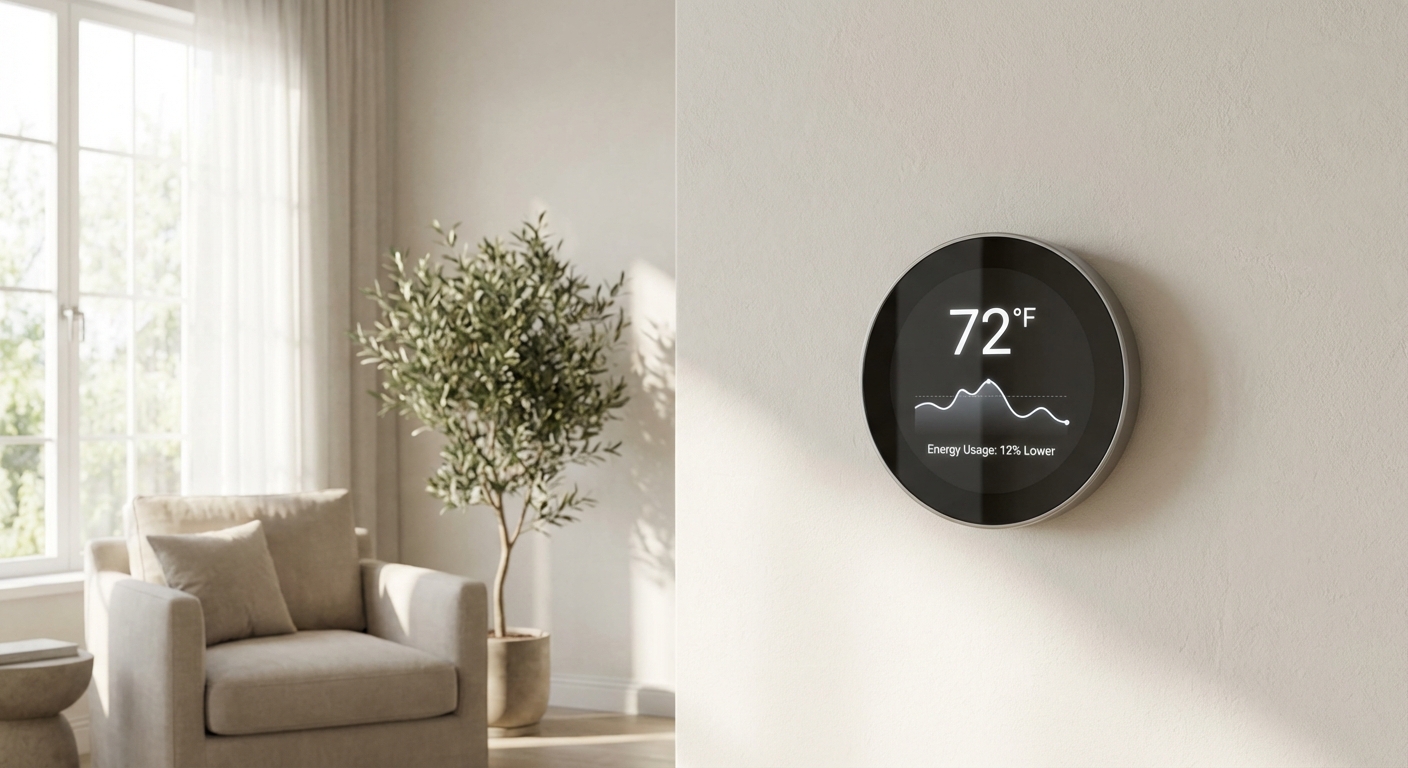
Heating and cooling is typically the largest single energy expense in a home. A smart thermostat learns your schedule and preferences, adjusting temperature automatically to avoid heating or cooling an empty house.
The latest models in 2026 go further with occupancy sensing, weather forecasting integration, and room-by-room temperature zones. Some can even pre-cool your home during off-peak electricity hours when rates are cheaper, then coast through expensive peak hours.
Setting Up Your System Step by Step
Step One: Establish Your Baseline
Before adding smart devices, collect your last 12 months of utility bills. Note your average monthly cost, peak usage months, and your electricity rate structure. Many utility companies now offer time-of-use pricing where electricity costs more during peak hours. Understanding your rate structure is essential for maximizing savings.
Step Two: Start With the Biggest Wins
Install a whole-home monitor first. After a week or two of data collection, you will have a clear picture of your consumption patterns. Look for these common issues.
Baseline load that is too high. Your home uses energy even when nobody is home and nothing is actively running. If your baseline load is over 500 watts, you likely have phantom loads or inefficient always-on devices worth addressing.
Peak usage spikes. Large spikes often come from your HVAC system, water heater, or dryer. If these consistently run during peak pricing hours, scheduling changes can save significantly.
Unusual patterns. A device that runs more frequently than expected may need maintenance. A refrigerator that cycles every few minutes instead of every 30 to 45 minutes, for example, might have a failing seal or dirty condenser coils.
Step Three: Automate the Easy Wins
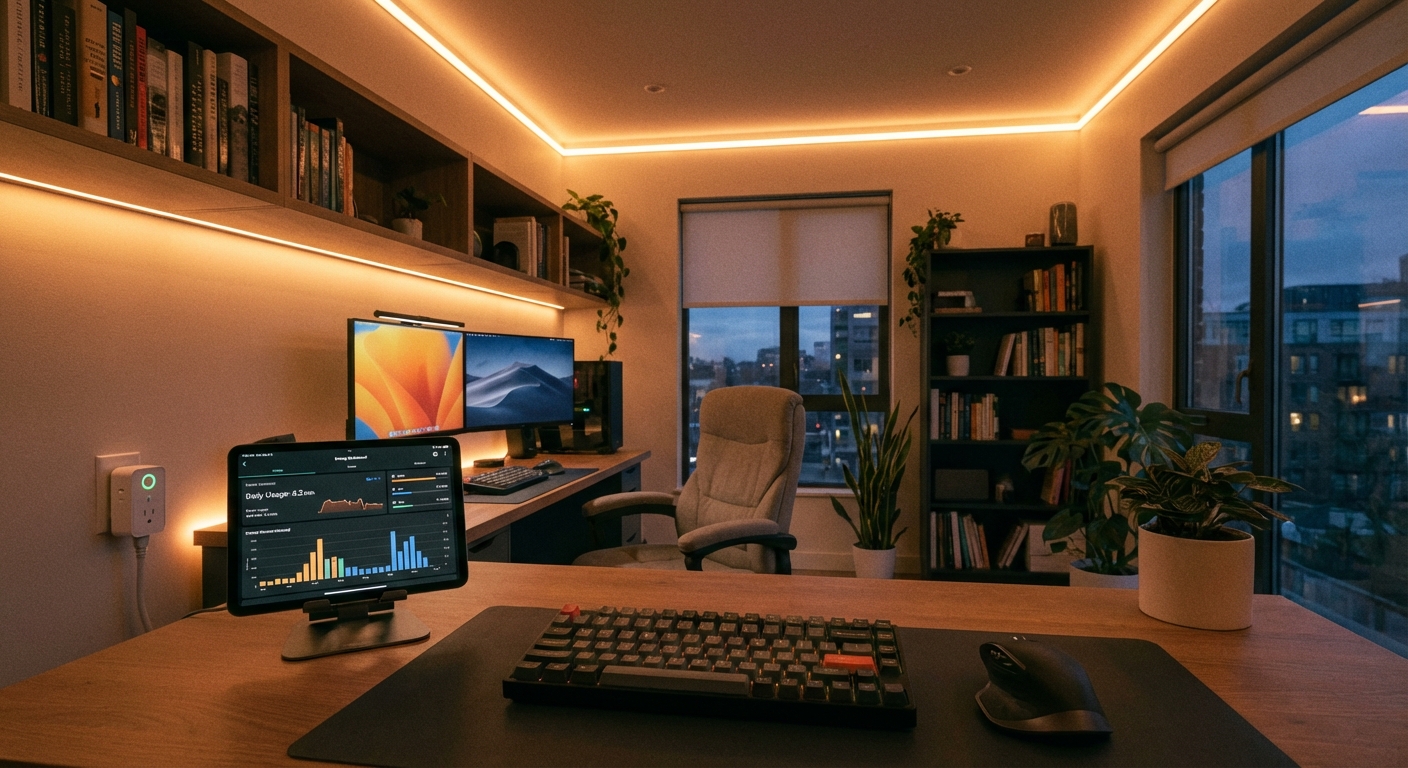
Once you have identified waste, set up automations to eliminate it.
Schedule smart plugs to cut power to entertainment centers, home offices, and chargers during sleeping hours. This alone can save 50 to 100 dollars per year for most households.
Program your thermostat with an accurate schedule. Set wider temperature ranges when you are asleep or away. Even a two-degree adjustment can reduce HVAC costs by 5 to 10 percent.
Set up geofencing so your smart home knows when you leave and arrive. Systems can automatically enter energy-saving mode when the last person leaves and resume comfort settings before you return.
Advanced Strategies for Maximum Savings
Time-of-Use Optimization
If your utility offers time-of-use pricing, smart energy systems can shift your heaviest energy use to off-peak hours automatically. Run your dishwasher, laundry, and water heater pre-heating during the cheapest rate windows. Some smart systems handle this scheduling automatically based on your utility rate data.
Solar and Battery Integration
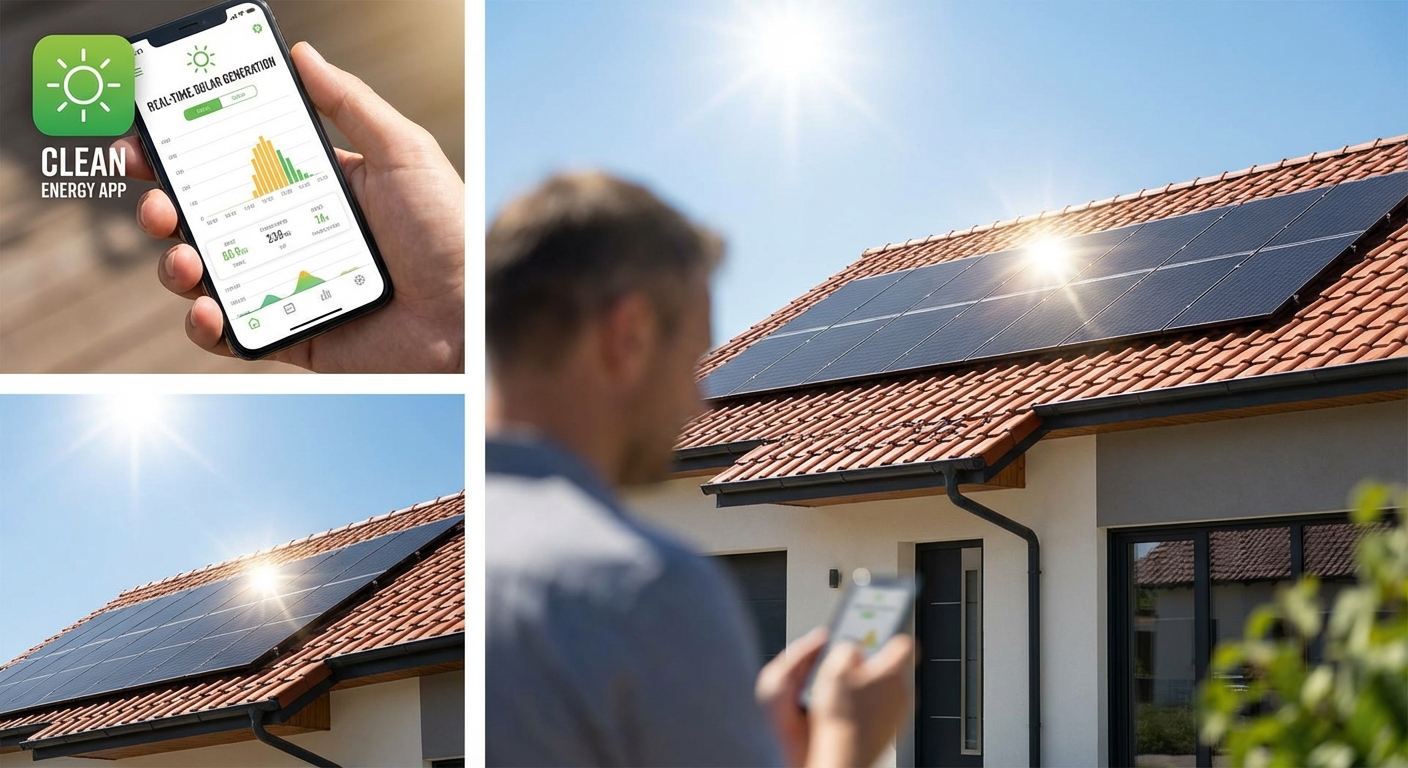
If you have solar panels or a home battery system, smart monitoring becomes even more powerful. You can track exactly how much energy you generate versus consume, optimize battery charging and discharging cycles, and ensure you are exporting excess solar energy at the most profitable times.
Seasonal Adjustments
Your energy profile changes dramatically between seasons. Smart monitoring helps you adapt. In summer, focus on optimizing cooling schedules and reducing heat-generating appliance use during the hottest hours. In winter, seal drafts that your monitor reveals through heating system overwork and shift to zone heating where possible.
What Realistic Savings Look Like
Based on industry data and user reports, here is what most households can expect.
Smart thermostat alone typically saves 10 to 15 percent on heating and cooling costs. For an average home, that is 150 to 250 dollars per year.
Adding energy monitoring and smart plugs usually saves an additional 5 to 10 percent on overall electricity by eliminating phantom loads and optimizing usage patterns.
Time-of-use optimization can save another 10 to 20 percent for households on variable-rate plans.
Combined, a well-implemented smart energy system can reduce your total energy bill by 20 to 30 percent. Most systems pay for themselves within six to twelve months through the savings they generate.
The key is starting with data. Once you can see where your energy actually goes, the savings opportunities become obvious — and smart automation makes capturing those savings effortless.