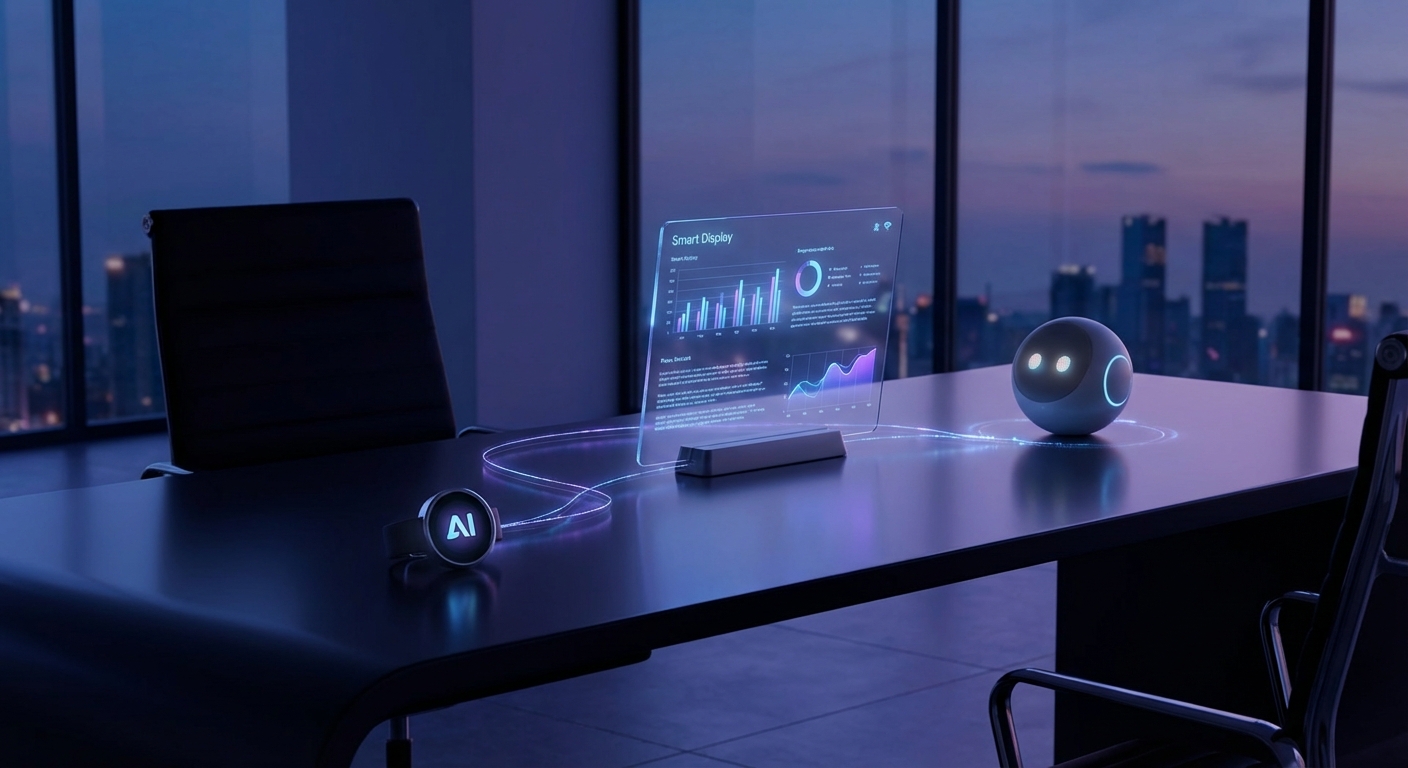
The era of smart gadgets that simply respond to commands is fading. In 2026, a new wave of technology is emerging — devices powered by agentic AI that don't just listen, but actively anticipate your needs, make decisions, and take action on your behalf.
This shift from reactive to proactive technology is arguably the biggest change in consumer electronics this decade. Here's what you need to know about how agentic AI is reshaping the gadgets in your life.
What Is Agentic AI and Why Does It Matter?
Traditional smart devices follow a simple pattern: you give a command, the device executes it. Ask your speaker to set a timer, and it sets a timer. Ask it for the weather, and it reads a forecast.
Agentic AI breaks this pattern entirely. These systems can reason about context, chain multiple actions together, and execute multi-step tasks without being explicitly told each step. Think of the difference between a calculator and an assistant who understands what you're trying to accomplish.
For example, instead of saying "turn off the lights, lock the door, and set the alarm," you might simply say "I'm heading to bed" — and an agentic system handles the rest based on your routines and preferences.
Wearables That Think Ahead
The wearables market has seen the most dramatic transformation. The latest generation of AI-powered wearable devices goes far beyond step counting and heart rate monitoring.

Modern AI wearable pins and clips can now:
- Record and summarize meetings in real time, identifying action items and sending follow-ups automatically
- Monitor health patterns across weeks and months, flagging subtle changes before they become problems
- Adapt audio environments by learning which sounds you want to hear and which you want filtered out
The key innovation is contextual awareness. These devices understand whether you're in a meeting, exercising, commuting, or relaxing — and adjust their behavior accordingly without any input from you.
Smart Displays as Command Centers
Large-format smart displays are evolving from glorified digital photo frames into genuine household command centers. The latest models feature screens exceeding 20 inches and run sophisticated AI assistants that can handle complex, multi-step requests.
Imagine telling your display: "My parents are coming for dinner Friday — find a recipe using what's in the fridge, order anything we're missing, and remind me to start cooking at 5 PM." In 2026, this kind of compound request is becoming reality.
These displays also serve as central hubs for managing all your connected devices, showing real-time energy usage, security camera feeds, and calendar integrations in a single dashboard view.
Health Monitoring Without Wearables
Perhaps the most exciting frontier is ambient health monitoring — technology that tracks your vital signs without requiring you to wear anything at all.

Smart mirrors and bathroom fixtures equipped with advanced sensors can now analyze:
- Heart rate and blood pressure through optical sensing
- Skin health changes using computer vision
- Weight and body composition through embedded floor sensors
- Sleep quality indicators from overnight breathing patterns
These systems use AI to identify long-term trends rather than just snapshots, alerting you to gradual changes that might otherwise go unnoticed until your next doctor's visit.
Home Robots With Real Dexterity
After years of promises, home robotics is finally delivering practical results in 2026. The latest generation of domestic robots can handle tasks that require genuine dexterity — sorting laundry by type and color, loading dishwashers, and organizing shelves.
The breakthrough has been in AI-powered manipulation, where robots can identify and handle unfamiliar objects without being pre-programmed for each specific item. Combined with integration into broader smart home ecosystems, these robots can coordinate with other devices — starting the washing machine when they've gathered enough laundry, for instance.
What to Consider Before Upgrading
If you're thinking about embracing agentic AI gadgets, here are some practical considerations:
- Privacy implications — Devices that anticipate your needs require more data about your habits. Look for products with on-device processing rather than cloud-only AI
- Ecosystem compatibility — Agentic AI works best when devices can communicate with each other. Choose products that support open standards like Matter and Thread
- Learning curve — These devices improve over time as they learn your preferences. Give them at least two to three weeks before judging their usefulness
- Battery life — AI processing is power-hungry. Wearables with agentic features typically need more frequent charging than their simpler predecessors
The Bottom Line
The shift to agentic AI represents a fundamental change in how we interact with technology. Rather than learning how to use our devices, our devices are learning how to help us. While it's still early days, the trajectory is clear — the most useful gadgets of 2026 and beyond will be the ones that understand context, take initiative, and get things done without being asked.
The best approach is to start with one or two agentic devices in areas where you'll notice the most impact — whether that's a wearable for work productivity, a smart display for home management, or a health monitoring system for wellness. As these systems mature, they'll only get better at making your life easier.