Smart glasses have gone from sci-fi curiosity to genuine everyday tool. With global shipments growing over 130 percent year-over-year, more people than ever are considering a pair. But the market is flooded with options ranging from basic audio frames to full augmented reality headsets, and it is easy to spend money on features you will never use.
This guide breaks down what actually matters when choosing smart glasses, so you can find the right pair for your lifestyle without the marketing hype.
Understanding the Different Types of Smart Glasses
Not all smart glasses are created equal. Before you start comparing specs, you need to understand which category fits your needs.
Audio-focused frames are the most accessible entry point. These look like regular glasses but include built-in speakers and microphones. They are great for hands-free calls, listening to music and podcasts, and basic voice assistant commands. If you mainly want convenience without a screen, these are your best bet.
Camera-equipped glasses add a front-facing camera for photos and video. They are popular with content creators and people who want to capture moments without pulling out a phone. Privacy considerations are important here — look for models with a visible recording indicator light.
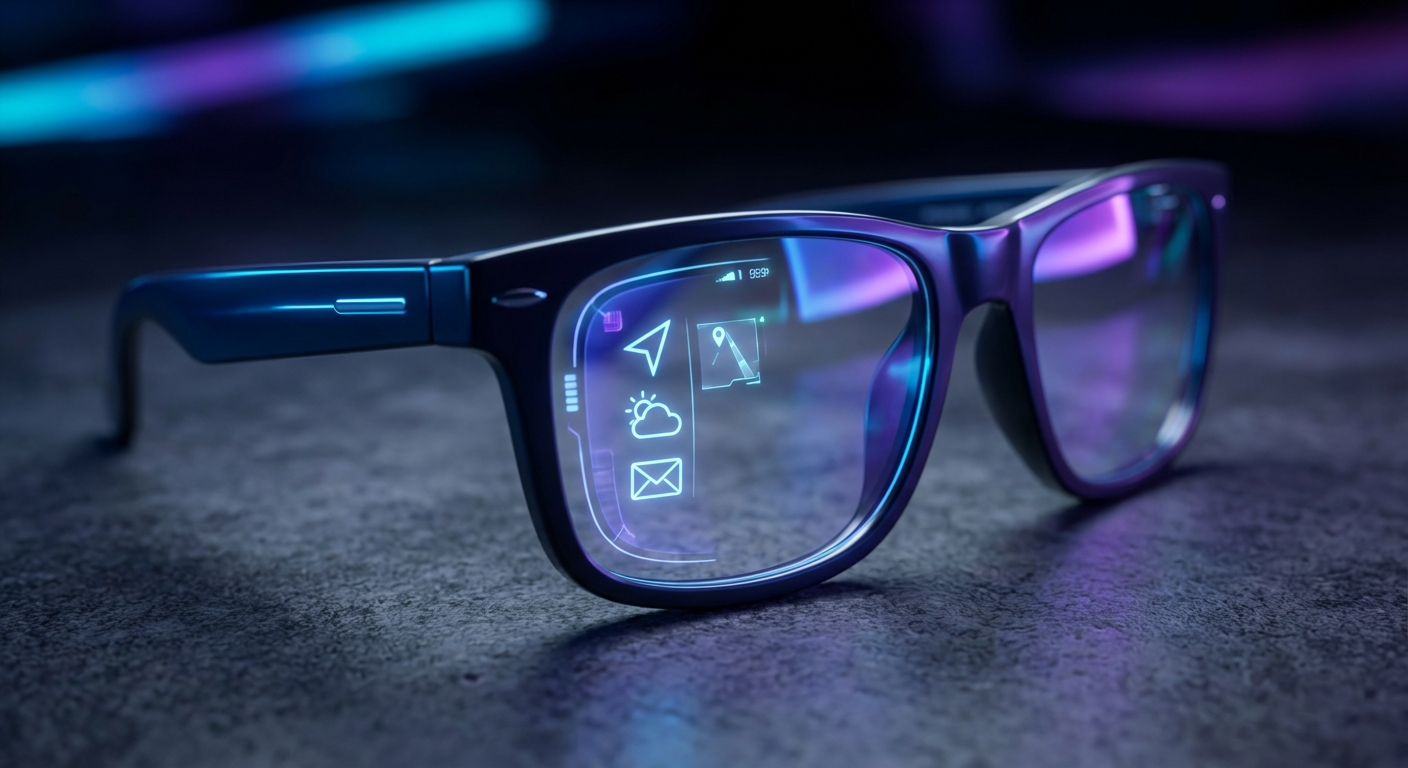
Heads-up display (HUD) glasses project information onto a small transparent screen in your field of vision. You can see notifications, navigation directions, and quick info without looking down at your phone. These are the sweet spot for most tech-forward buyers in 2026.
Full AR glasses overlay digital objects onto the real world. These are the most advanced and expensive option. They are incredible for specific use cases like design work, gaming, and industrial applications, but battery life and weight remain challenges for all-day wear.
The Features That Actually Matter
Battery Life Is Non-Negotiable
The single most important spec for smart glasses is battery life. Unlike your phone, you cannot easily charge glasses throughout the day without taking them off. Look for at least four to six hours of active use for audio frames and three to four hours for display-equipped models. Anything less becomes frustrating quickly.
Pay attention to standby time too. Glasses that drain their battery while sitting on your desk are a deal-breaker.
Weight and Comfort Come First

You will wear these on your face all day. Even a few extra grams become noticeable after a couple of hours. The best smart glasses in 2026 weigh between 35 and 50 grams — close to regular prescription frames. Anything over 60 grams will cause fatigue and nose-bridge pressure.
Frame fit matters just as much. Look for adjustable nose pads and multiple frame sizes. Many manufacturers now offer virtual try-on tools and sizing guides. Use them — a poor fit means your expensive glasses will sit in a drawer.
Audio Quality Makes or Breaks the Experience
Open-ear speaker technology has improved dramatically, but there is still a wide range in quality. The best systems use directional speakers that keep your audio private even in moderate noise environments. Cheaper options bleed sound noticeably, which is awkward on public transport or in an office.
Microphone quality is equally important if you plan to take calls. Look for models with multiple microphones and active noise cancellation for the mic array — this ensures the person on the other end hears you clearly, not the wind or traffic around you.
Display Technology for HUD and AR Models
If you are choosing glasses with a display, resolution and field of view are the specs to watch. A wider field of view means more usable screen space, while higher resolution prevents that fuzzy, hard-to-read feeling.
Brightness matters more than you might think. Outdoor visibility is the Achilles heel of many display glasses. If you spend time outside, prioritize models with high-brightness displays that remain readable in direct sunlight.
Practical Considerations Most Buyers Overlook
Prescription Lens Compatibility
If you wear corrective lenses, check whether the smart glasses support prescription inserts or custom lenses. Some models partner with optical chains to offer prescription lenses built directly into the smart frames. Others use magnetic prescription inserts. A few do not support prescriptions at all — verify before you buy.
Connectivity and Ecosystem

Smart glasses connect to your phone via a companion app. Consider which phone ecosystem you use — some glasses work better with one operating system than the other. Check the companion app reviews too, because a great hardware product with a buggy app is a miserable experience.
Also consider what voice assistant the glasses support. The quality of voice interaction varies significantly. Natural, conversational voice control that understands context is far more useful than rigid command-based systems.
Privacy and Social Etiquette
Smart glasses with cameras raise legitimate privacy concerns. Many venues and workplaces have policies about recording devices. Choose glasses with a clear indicator light when recording, and be prepared for occasional questions from people around you. Some models offer a camera-free option if you only want audio and display features.
Durability and Water Resistance
Your glasses will encounter rain, sweat, and the occasional drop. Look for at least IPX4 water resistance, which handles splashes and light rain. If you are active or live in a rainy climate, IPX5 or higher gives better protection. Check the warranty terms for accidental damage coverage too.
How to Choose the Right Pair for You
Start with your primary use case. If you just want hands-free audio and calls, audio frames offer the best value and longest battery life. If you want notifications and navigation without touching your phone, a HUD model is worth the premium. If you are a developer, designer, or hardcore early adopter, full AR glasses are finally approaching daily-driver status.
Set a realistic budget. Audio frames start around the same price as quality wireless earbuds. HUD glasses cost two to four times more. Full AR headsets are a significant investment.
Most importantly, try before you buy if at all possible. Comfort and fit are personal — what works for one face shape may not work for yours. Visit a retail location or order from a seller with a generous return policy.
Smart glasses are no longer a gimmick. In 2026, they are a practical tool that can genuinely improve your daily routine — if you choose the right features for your actual needs.