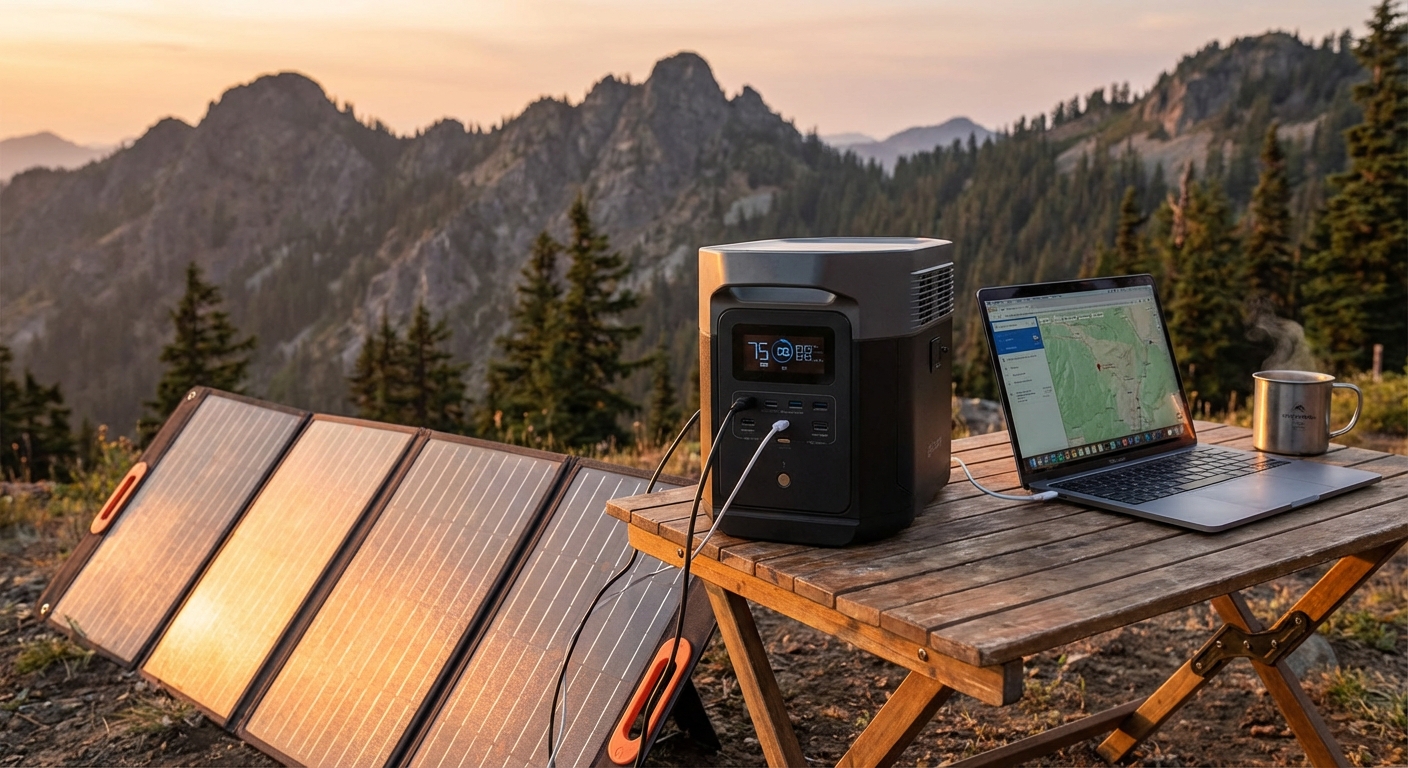
The way we think about portable power has changed dramatically. What started as oversized battery boxes for camping trips has evolved into a sophisticated product category that serves everyone from outdoor adventurers and remote workers to homeowners preparing for grid outages. Portable power stations in 2026 are lighter, charge faster, last longer, and integrate with solar panels and smart home systems in ways that were not possible even two years ago.
If you are considering a portable power station — whether for weekend camping, emergency backup, or powering a mobile office — this guide breaks down what matters, what to look for, and how to match the right unit to your needs.
What Is a Portable Power Station and How Does It Work
A portable power station is essentially a large rechargeable battery with built-in inverters and outlets. Unlike traditional gas generators, they produce zero emissions, operate silently, and can be used indoors safely. You charge them from a wall outlet, car charger, or solar panel, then use them to power devices ranging from phones and laptops to mini-fridges, CPAP machines, and power tools.
The core technology behind modern portable power stations is lithium iron phosphate (LiFePO4) battery chemistry, which has largely replaced the older lithium-ion cells used in earlier models. LiFePO4 offers several meaningful advantages:
- Longer lifespan — rated for 3,000 or more charge cycles before dropping to 80 percent capacity, compared to roughly 500 to 800 cycles for standard lithium-ion
- Better thermal stability — more resistant to overheating, which improves safety and performance in hot environments
- Consistent power output — delivers steady voltage throughout the discharge cycle rather than dropping off sharply
- Faster charging — many 2026 models can charge from zero to 80 percent in under an hour via wall outlet
This battery chemistry upgrade is the single biggest reason portable power stations have become genuinely practical for everyday use rather than niche camping accessories.
Understanding Capacity and Output: The Numbers That Matter
Portable power stations are defined by two key specifications: capacity (measured in watt-hours, Wh) and output (measured in watts, W). Understanding both is essential to choosing the right unit.
Capacity (Wh) tells you how much total energy the station stores. Think of it as the size of the fuel tank. A 500 Wh unit can theoretically power a 50-watt device for 10 hours, or a 500-watt device for one hour. In practice, inverter efficiency means you will get roughly 85 to 90 percent of the rated capacity as usable power.
Output (W) tells you how much power the station can deliver at once. Think of it as the size of the pipe. A unit with 1,000 watts of continuous output can run any device that draws up to 1,000 watts simultaneously. Most units also have a surge rating that handles brief power spikes when devices like refrigerators or power tools start up.
Sizing guide by use case:
- Phone and laptop charging, small lights — 200 to 500 Wh is plenty. These units are compact and highly portable, often weighing under 15 pounds.
- Weekend camping with a cooler, lights, and device charging — 500 to 1,000 Wh handles most camping needs comfortably. Expect to power a 12V cooler for 12 to 24 hours while still charging phones and running LED lights.
- Remote work setup with laptop, monitor, and router — 1,000 to 1,500 Wh provides a full workday of power for a typical home office setup.
- Emergency home backup for essentials — 1,500 to 3,000 Wh can run a refrigerator, lights, phone chargers, and a Wi-Fi router through a typical overnight outage.
- Whole-home backup or heavy power tools — 3,000 Wh and above, often with expandable battery modules for additional capacity.
Solar Charging: Going Off-Grid With Confidence
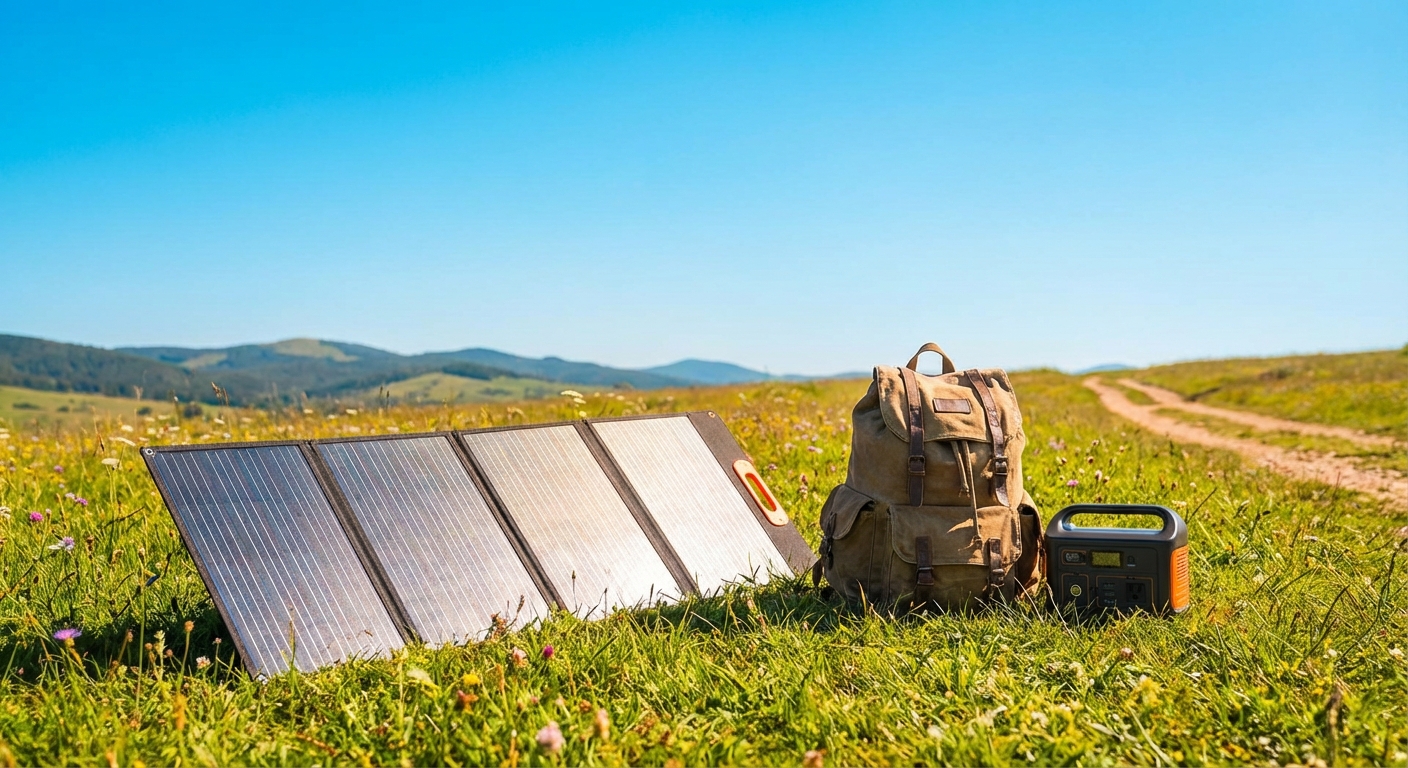
One of the most compelling features of modern portable power stations is their ability to recharge from solar panels. This turns a battery with a fixed capacity into a renewable power system that can sustain you indefinitely as long as the sun is shining.
Solar panel basics for power stations:
- Portable solar panels designed for power stations typically range from 100 to 400 watts
- A 200-watt panel in direct sunlight generates roughly 150 to 170 watts of actual output (after efficiency losses)
- Charging a 1,000 Wh power station from a 200-watt panel takes approximately 5 to 7 hours of good sunlight
- Foldable panels are easiest to transport for camping — they pack flat and weigh 10 to 20 pounds
- Rigid panels deliver slightly better efficiency and durability for semi-permanent installations like rooftop vehicle mounts
Maximizing solar charging performance:
- Angle matters. Tilt your panel to face the sun directly. Many foldable panels include adjustable kickstands for this purpose.
- Avoid partial shading. Even a small shadow across one cell can reduce the entire panel's output dramatically due to how cells are wired in series.
- Chain panels for faster charging. Most power stations support connecting two or more panels in parallel to double or triple the input wattage.
- Morning and evening sun is weaker. Plan your heaviest power usage for the middle of the day when solar output peaks, and charge the station during those prime hours.
For vehicle-based adventures, roof-mounted solar panels are an emerging trend in 2026. Flexible panels that conform to the roof shape can deliver 400 to 1,600 watts and charge your power station while you drive, providing true off-grid autonomy for extended trips.
Features to Look For in 2026
Beyond capacity and output, several features separate a good portable power station from a great one.
Multiple output types ensure compatibility with all your devices. Look for a mix of AC outlets (standard household plugs), USB-A ports, USB-C ports with Power Delivery (for fast-charging laptops and phones), 12V DC car-style outlets, and Anderson connectors for high-draw accessories.
App connectivity has become standard on mid-range and premium units. A companion app lets you monitor battery level, track power consumption in real time, set charging schedules, enable eco mode, and receive alerts when the battery is low. Some apps also display solar input statistics so you can optimize panel placement.
Uninterruptible power supply (UPS) mode is critical if you plan to use the station as an emergency backup for sensitive electronics. UPS mode keeps the station plugged into the wall and switches to battery power within milliseconds of a grid outage — fast enough that computers and networking equipment stay running without interruption.
Expandable battery packs let you add capacity after purchase. Several manufacturers now offer modular systems where you can connect additional battery units to your base station, scaling from 1,000 Wh to 5,000 Wh or more as your needs grow.
Weight and portability still matter. A 3,000 Wh station might weigh 70 pounds or more, which is fine for a garage or vehicle but impractical for backpacking. Match the form factor to how you plan to use and transport the unit.
Practical Use Cases and Setup Tips
Camping and overlanding: Position your power station in a ventilated area out of direct sunlight (heat reduces efficiency). Connect your solar panel early in the morning to maximize charge time. Run your cooler on eco mode to stretch battery life. A 1,000 Wh station with a 200-watt solar panel is the sweet spot for most weekend trips.
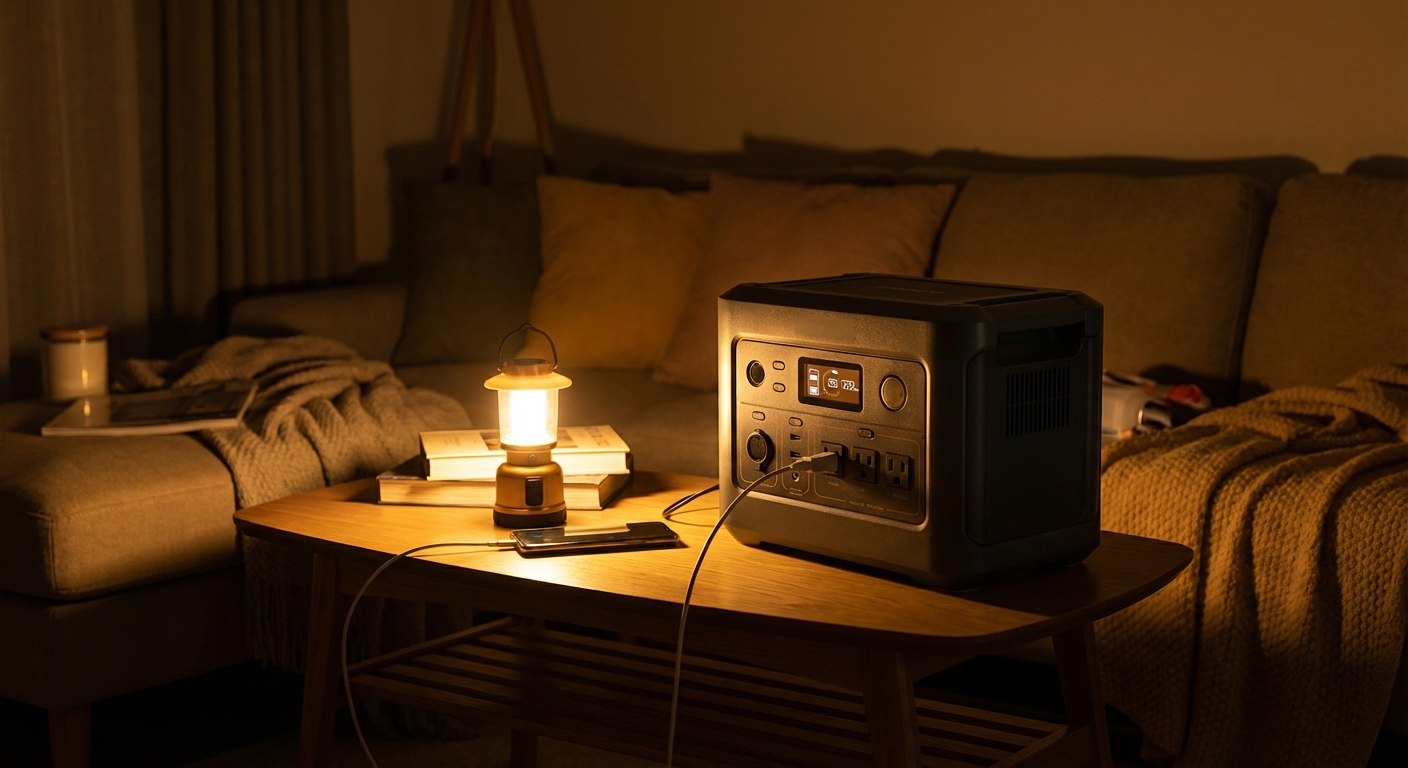
Emergency preparedness: Keep your power station charged to at least 80 percent at all times. Store it in a cool, dry location. Connect it to your refrigerator, a few lights, and your phone charger during an outage. A 2,000 Wh unit can run these essentials for 24 to 48 hours depending on the refrigerator's efficiency.
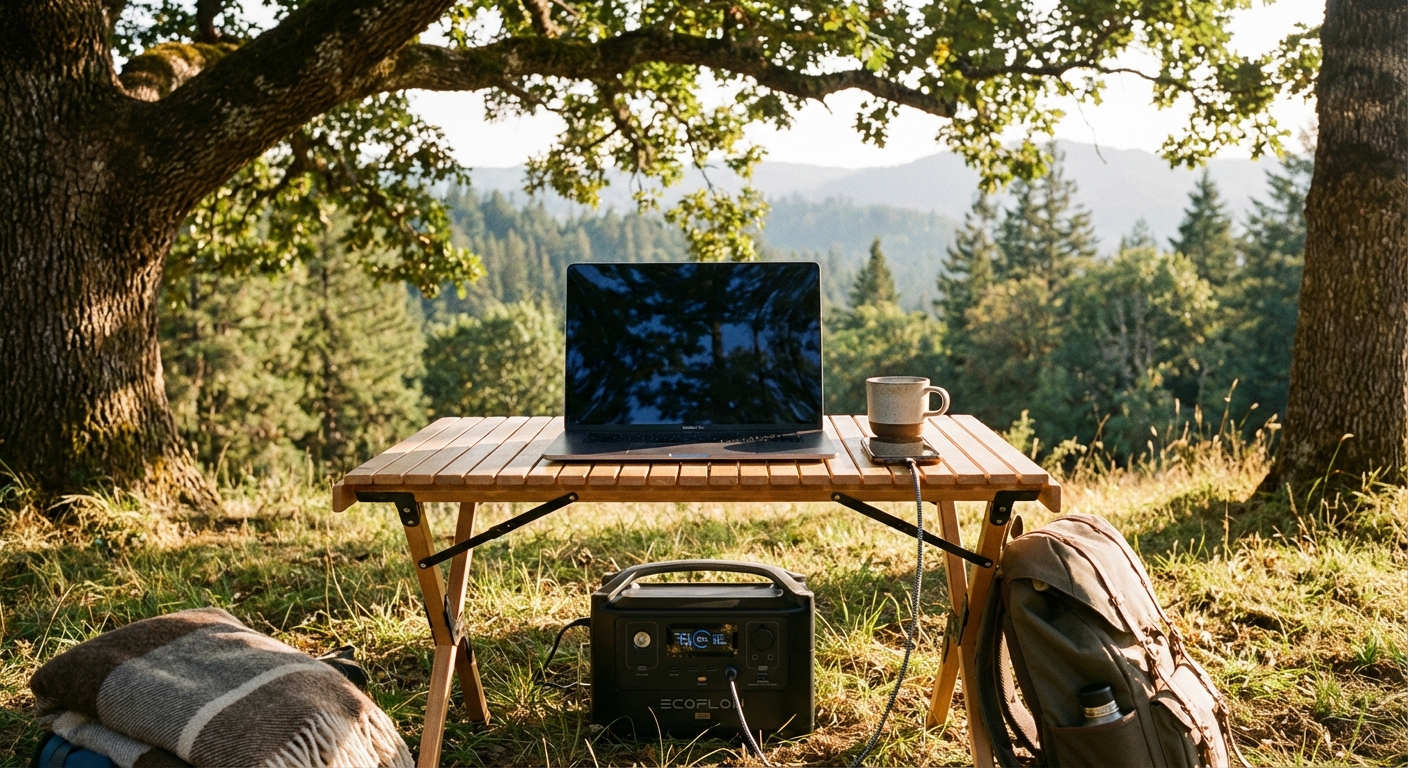
Remote work and digital nomad setups: A 1,000 to 1,500 Wh station powers a laptop, external monitor, phone, and portable Wi-Fi hotspot for 8 to 12 hours — a full workday. Pair with a foldable solar panel for multi-day off-grid work sessions. The USB-C Power Delivery port is your most important output for keeping a modern laptop running.
Outdoor events and parties: Use a larger station (2,000 Wh or above) to power speakers, string lights, a projector, and a blender for an entire evening without running a noisy gas generator.
Making the Right Choice
The portable power station market has more options than ever, which makes choosing harder but also means there is a near-perfect fit for every use case. Start by honestly assessing your needs:
- List the devices you want to power and their wattage (check the label or manual)
- Estimate how long you need to power them
- Multiply wattage by hours to get your minimum capacity requirement in watt-hours
- Add 20 percent as a buffer for inverter losses and real-world conditions
- Decide on solar — if you want renewable charging, factor in panel cost and compatibility
Portable power stations have crossed the threshold from luxury gadget to practical tool. Whether you are building resilience against power outages, exploring the outdoors, or working from anywhere, the right unit gives you reliable, clean, silent power wherever you need it.