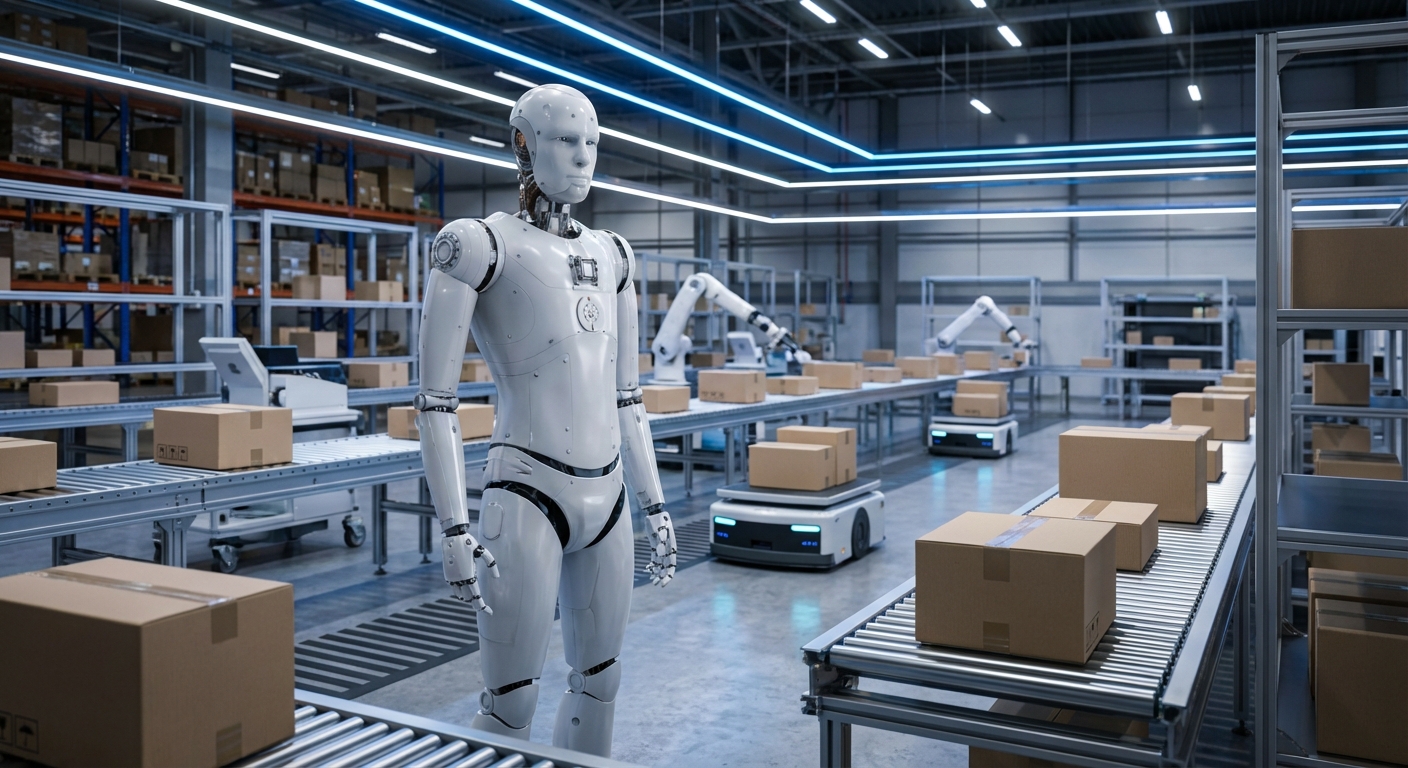
The robots are here — but they look nothing like science fiction promised. After decades of clunky prototypes and viral demo videos, 2026 is the year physical AI is crossing the threshold from research lab curiosity to genuine real-world deployment. And the reality is both more practical and more interesting than the Hollywood version.
Here is what is actually happening in the world of humanoid robots and physical AI, what it means for everyday life, and how to separate the real breakthroughs from the marketing noise.
What Is Physical AI and Why Does It Matter Now?
Physical AI refers to artificial intelligence systems that can perceive, understand, and interact with the physical world. Unlike the chatbots and image generators that dominated headlines in previous years, physical AI combines advanced sensors, machine learning, and robotic hardware to navigate real environments, manipulate objects, and perform tasks that require spatial reasoning.
The reason 2026 is a turning point comes down to three converging breakthroughs:
- Foundation models for robotics — The same transformer architectures that power language models have been adapted for robotic control. Robots can now generalize from training to handle novel objects and situations they have never encountered before
- Simulation-to-reality transfer — Engineers can train robots in sophisticated virtual environments and transfer those skills to physical hardware with much higher fidelity than was possible even two years ago
- Affordable sensor arrays — LiDAR, depth cameras, and force-feedback sensors have dropped in cost by 60 to 80 percent since 2023, making advanced perception accessible to more manufacturers
Where Physical AI Is Already Working
Forget the flashy humanoid demos for a moment. Physical AI is already deployed at scale in several areas that directly affect your daily life:
Warehouse and Logistics
The most mature application of physical AI is in fulfillment centers and logistics hubs. Robotic systems now handle picking, packing, and sorting tasks that require identifying thousands of different objects, grasping them without damage, and placing them precisely. These are not pre-programmed pick-and-place arms — they use AI vision to identify unfamiliar items and figure out the best way to grip them in real time.
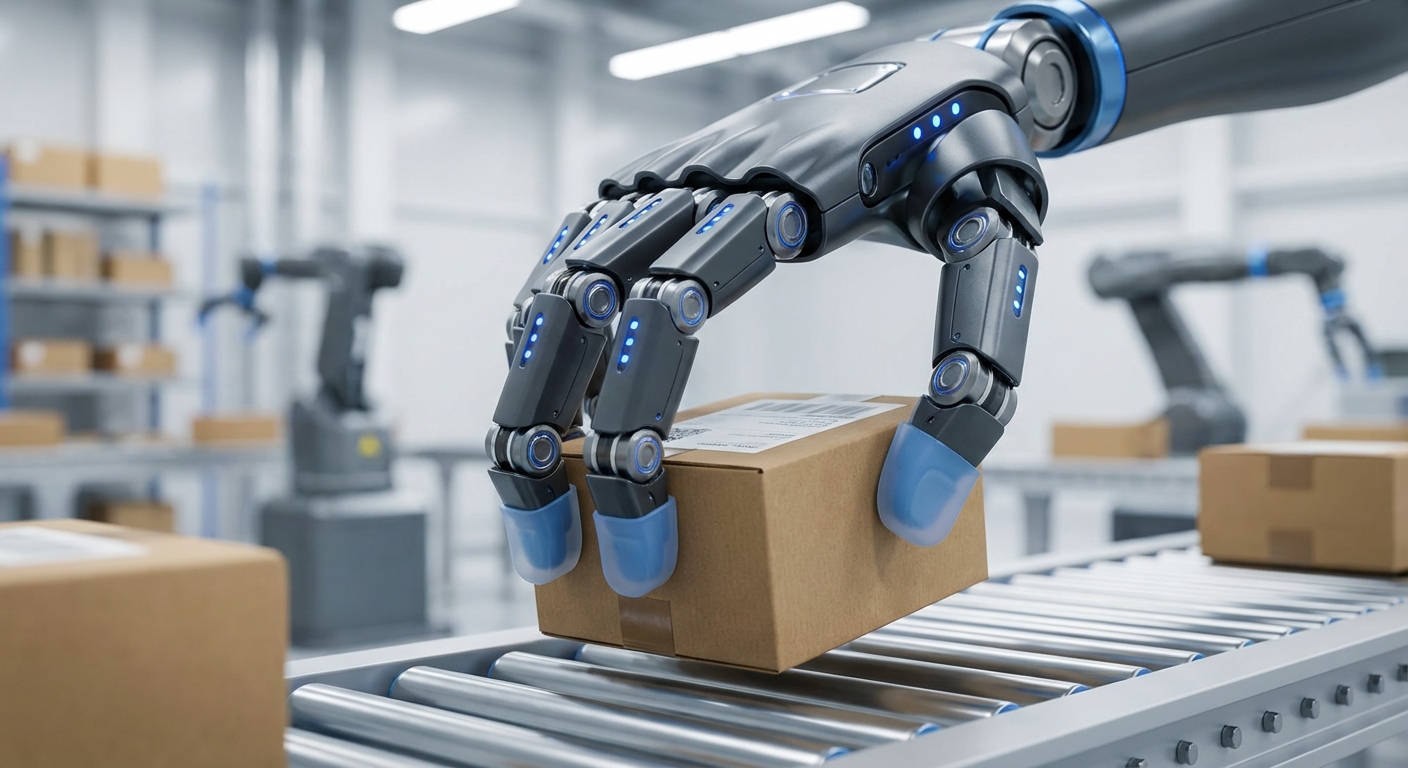
The impact is tangible: faster delivery times and fewer damaged packages. Next time your online order arrives the same day in perfect condition, there is a good chance a physical AI system handled it.
Agriculture
Autonomous farming robots are quietly transforming agriculture. AI-powered machines can now identify individual weeds among crop rows and eliminate them without herbicides, harvest ripe fruit by analyzing color and firmness, and monitor crop health across thousands of acres using drone-mounted sensors.
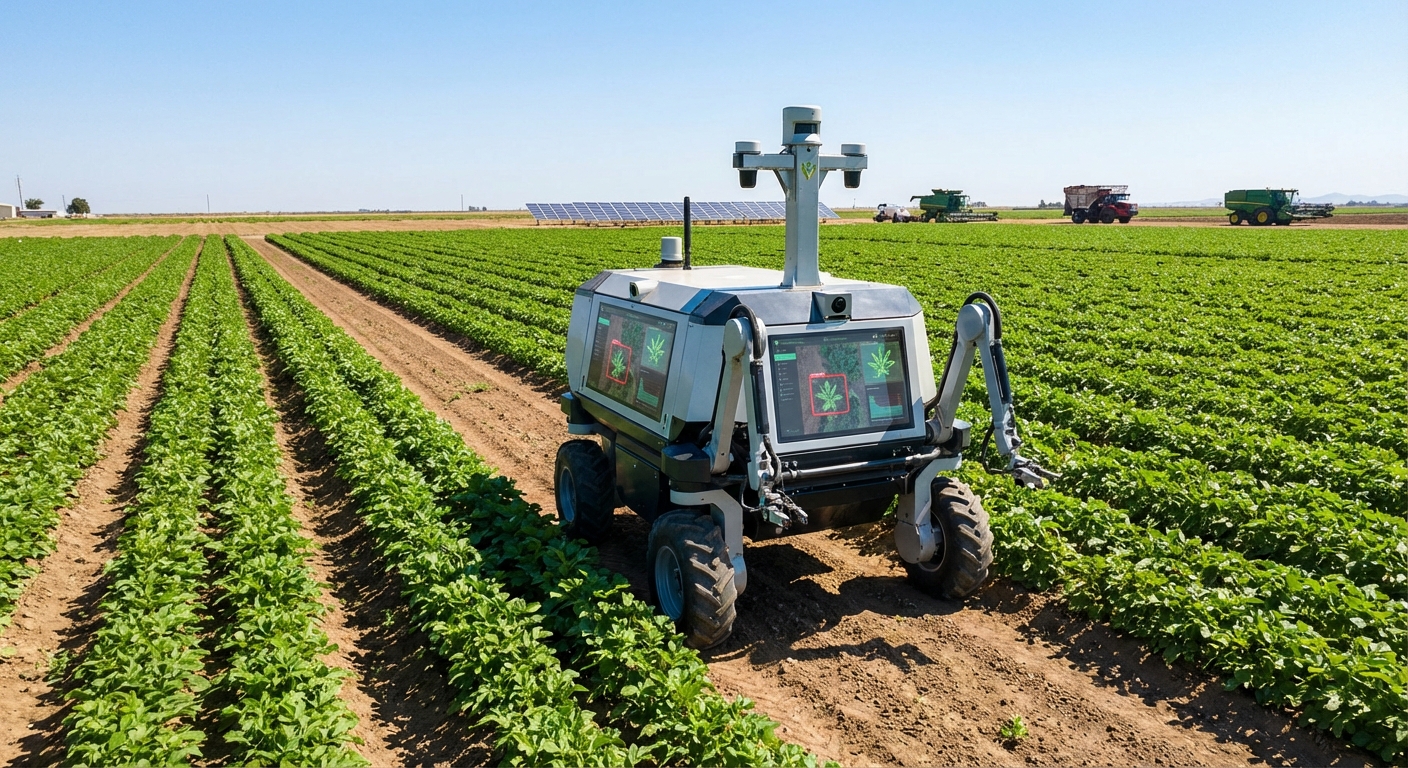
For consumers, this means more sustainably grown produce reaching stores and a reduction in chemical pesticide use — benefits that compound over time.
Construction and Inspection
Robotic systems equipped with physical AI are handling dangerous inspection tasks — climbing cell towers, inspecting bridge undersides, surveying disaster-damaged buildings. These robots combine advanced locomotion with AI-powered analysis to identify structural issues that would be dangerous or impossible for human inspectors to reach.
The Humanoid Robot Question
Now for the headline-grabbing topic: humanoid robots. The major technology showcases in early 2026 featured multiple companies demonstrating bipedal robots that can walk, balance, manipulate objects, and even respond to verbal instructions.
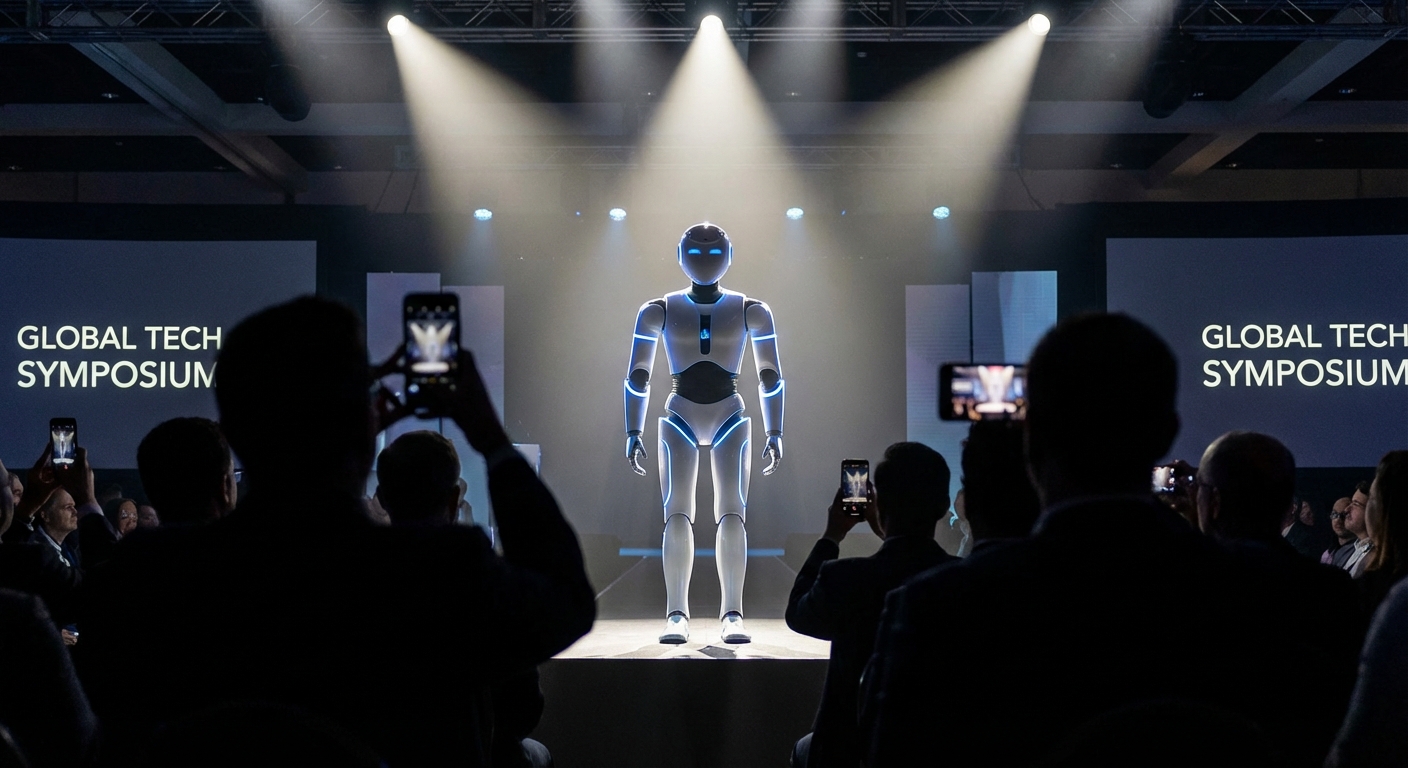
But here is the honest assessment of where things stand:
What humanoid robots can actually do right now:
- Walk on flat and moderately uneven surfaces
- Pick up and carry objects of varying sizes and weights
- Perform repetitive physical tasks like sorting, stacking, and simple assembly
- Navigate semi-structured environments like warehouses and factories
- Respond to basic voice commands and follow multi-step instructions
What they cannot reliably do yet:
- Handle delicate tasks requiring fine motor skills (buttoning a shirt, cracking an egg)
- Navigate cluttered, unpredictable home environments safely
- Operate for more than a few hours without recharging
- Recover gracefully from unexpected situations (a pet running underfoot, a child's toy on the stairs)
- Function without remote monitoring and occasional human intervention
The gap between controlled demo environments and messy real-world homes remains significant. Companies showing robots folding laundry on stage are typically operating in carefully controlled conditions with specific garment types.
When Will You Have a Robot at Home?
The honest timeline based on current progress:
Available now (2026):
- Autonomous floor cleaning robots with advanced mapping and obstacle avoidance
- Robotic lawn mowers that handle complex yard layouts
- Robotic pool cleaners with AI-powered coverage optimization
- Kitchen counter appliances with AI cooking guidance
Emerging (2027-2028):
- Multi-room mobile robots that can fetch items and deliver them within your home
- Robotic assistants for elderly care — medication reminders, fall detection, and basic mobility assistance
- Advanced kitchen robots that can prep ingredients and manage multi-step cooking processes
Further out (2029 and beyond):
- General-purpose humanoid home assistants that can handle a wide range of household tasks
- Robots that can safely and reliably operate in homes with children and pets
- Fully autonomous home maintenance — cleaning, laundry, dishes, and basic repairs
Anyone promising a general-purpose home robot before 2028 is likely overselling current capabilities.
What to Watch For When Evaluating Robot Claims
The physical AI space is attracting enormous investment, which means there is plenty of hype mixed in with genuine progress. Here is how to evaluate what you read and see:
- Ask about the environment — Was the demo in a controlled lab or a real-world setting? Controlled environments dramatically overstate real-world capability
- Check the autonomy level — Is the robot operating fully independently, or is there a remote operator assisting? Many demos use teleoperation for the impressive parts
- Look at battery life — A robot that needs recharging every 45 minutes has limited practical utility. Ask about continuous operating time
- Consider the edge cases — Demos show best-case scenarios. Real homes have pets, children, unexpected obstacles, and situations the robot was never trained for
- Evaluate the business model — Robots with ongoing subscription fees for AI features may cost significantly more over their lifetime than the purchase price suggests
The Bigger Picture: How Physical AI Changes Work
Beyond consumer robotics, physical AI is reshaping entire industries. Manufacturing plants are deploying collaborative robots that work alongside humans, handling heavy lifting and repetitive tasks while humans focus on quality control and problem-solving. Healthcare facilities are using robotic systems for pharmacy dispensing, surgical assistance, and patient transport.
The pattern emerging in 2026 is not robots replacing humans wholesale, but rather robots handling the physically demanding, dangerous, or mind-numbingly repetitive tasks that humans would rather not do. The most successful deployments pair robotic capability with human judgment.
How to Stay Informed Without Getting Fooled
If physical AI interests you, here are practical ways to follow the space intelligently:
- Follow robotics research labs — University labs and independent research organizations publish honest assessments of capability and limitations
- Watch for real deployment numbers — Companies that share actual units deployed and hours operated are more credible than those that only share demo videos
- Be skeptical of timeline promises — The history of robotics is littered with optimistic timelines that slipped by years. Add two to three years to any company's public timeline for a more realistic expectation
- Focus on specific tasks, not general capability — Robots that excel at one well-defined task are far more useful and reliable than those claiming to do everything
Physical AI in 2026 is genuinely exciting — not because robots are about to take over your home, but because they are starting to solve real problems in real environments. The gap between demo and deployment is closing, one practical application at a time.