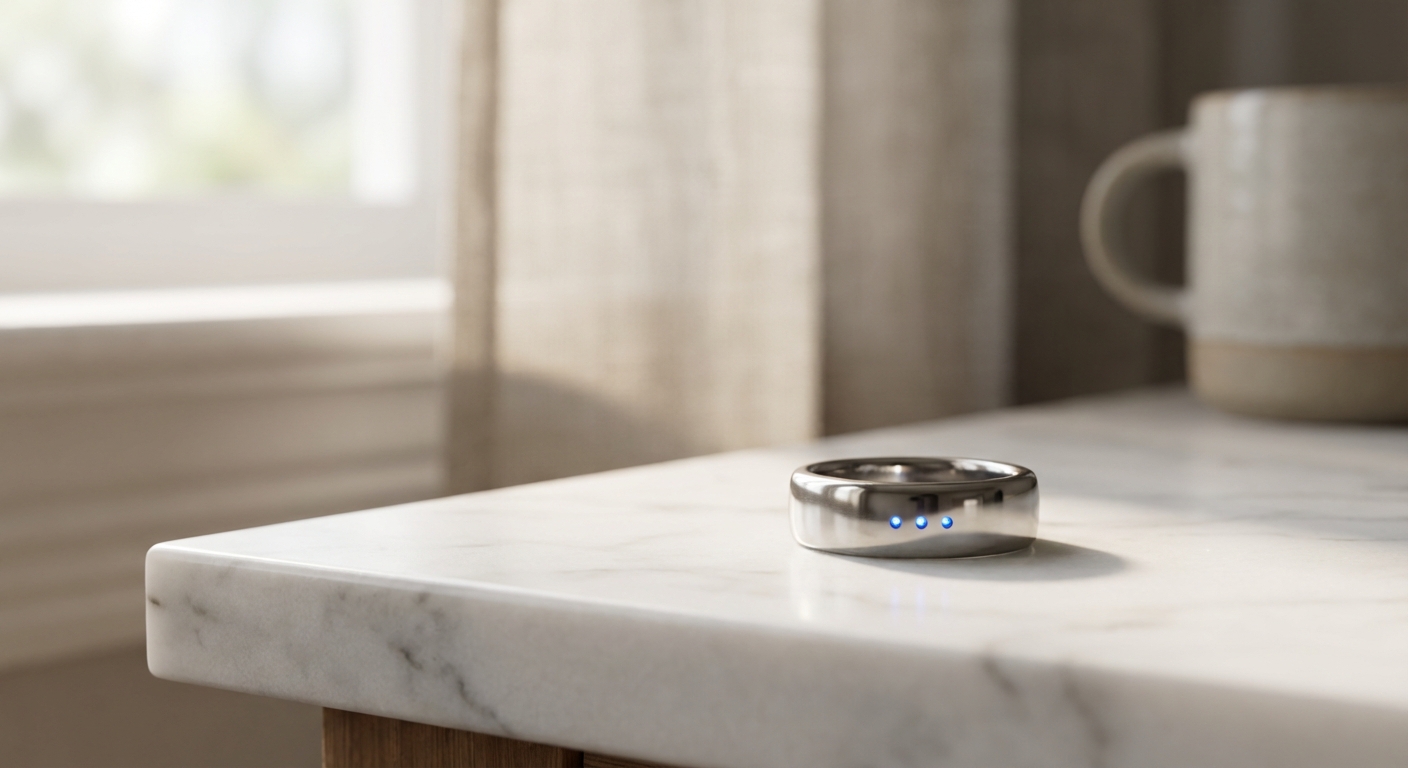
The smartwatch had its moment. Now, the smart ring is having its own — and it is happening faster than anyone predicted. In 2026, smart rings have gone from a niche curiosity favored by biohackers to the fastest-growing wearable category on the market, with sales projected to nearly double year over year.
The appeal is deceptively simple: continuous health monitoring in a device that looks like jewelry, lasts nearly a week on a single charge, and never buzzes with notifications. For people exhausted by screen time and constant digital interruptions, the smart ring offers something radical — technology that works for you without demanding your attention.
Why Smart Rings Are Surging in 2026
The smart ring concept is not new, but several converging factors have pushed it into the mainstream this year:
Sensor miniaturization has hit a tipping point. The same optical heart rate sensors, accelerometers, and temperature sensors that once required a watch-sized housing now fit inside a titanium band weighing under 5 grams. More importantly, the accuracy of finger-based sensors has been validated in clinical studies — your finger's arteries are closer to the surface and less affected by motion artifacts than your wrist, making readings more reliable for metrics like heart rate variability, blood oxygen, and even blood pressure estimation.
Battery technology caught up. Early smart rings struggled with two-day battery life, which made them impractical. The current generation routinely delivers five to seven days between charges, with some models pushing past a week. That means you charge your ring roughly as often as you do your electric toothbrush — it fades into the background of your routine.
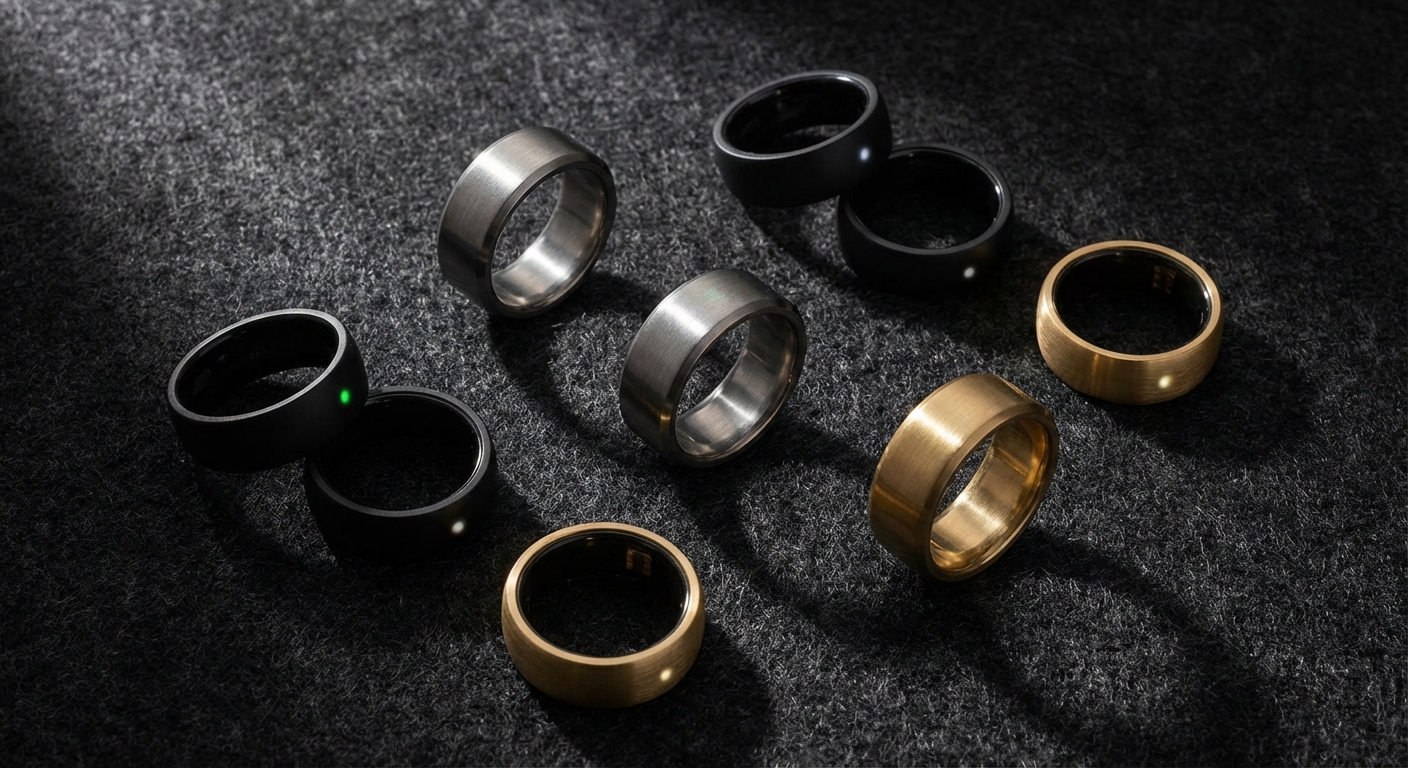
Design finally looks like actual jewelry. The chunky, obviously-electronic rings of previous years have been replaced by sleek, minimal designs available in multiple finishes — brushed titanium, matte black, gold, and rose gold. Most people will never guess you are wearing a piece of health technology.
What Smart Rings Actually Track
Modern smart rings monitor a surprisingly comprehensive set of health and wellness metrics:
Sleep Analysis
This is arguably where smart rings shine brightest. Because you wear them 24/7 without discomfort, they capture complete sleep data every night — something many people forget to do with a watch or fitness tracker. Expect detailed breakdowns of sleep stages (deep, light, REM), sleep latency (how long it takes you to fall asleep), nighttime heart rate and heart rate variability, skin temperature trends, and blood oxygen levels throughout the night.
The sleep data from finger-based sensors is often more accurate than wrist-worn alternatives because the ring does not shift around during sleep the way a loose watch band can.
Recovery and Readiness Scoring
Smart rings pioneered the concept of a daily "readiness score" — a single number that synthesizes your sleep quality, resting heart rate, heart rate variability, body temperature, and recent activity to tell you how prepared your body is for physical or mental stress.
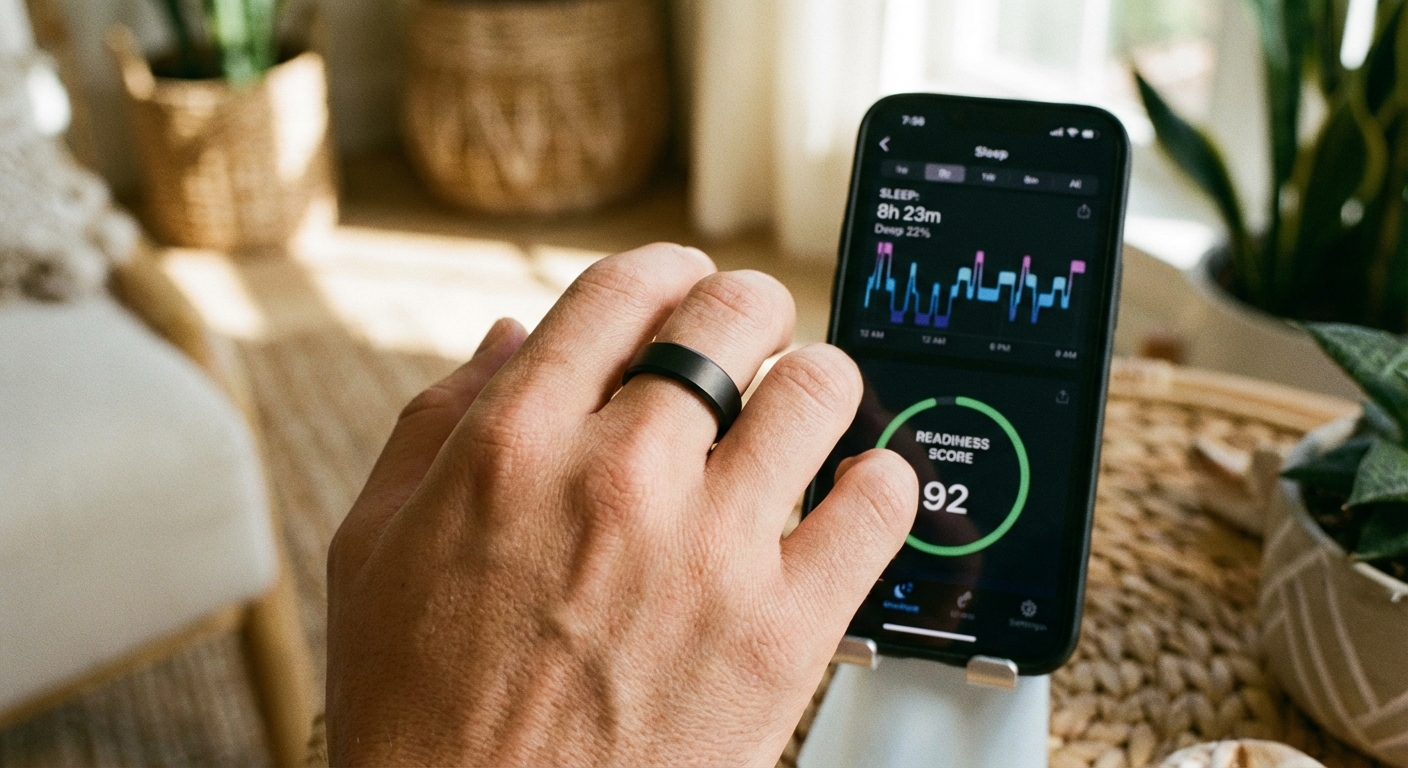
This feature has become enormously popular with athletes, but it is equally useful for anyone managing stress or trying to avoid burnout. A low readiness score is your body telling you to take it easy — and having that data presented simply, without needing to interpret complex charts, is part of what makes smart rings so accessible.
Heart Rate and Heart Rate Variability
Continuous heart rate monitoring from the finger provides a clean, reliable signal. Heart rate variability — the variation in time between heartbeats — is one of the most valuable health metrics available from consumer devices. Higher HRV generally indicates better cardiovascular fitness and lower stress, while sudden drops can signal overtraining, illness, or excessive stress.
Smart rings track HRV around the clock, but the most clinically relevant readings come during sleep when your body is at rest and external factors are minimized.
Temperature Tracking
Skin temperature monitoring has become a standard smart ring feature, and its applications are broader than you might expect. Beyond detecting early signs of illness (a temperature spike often precedes symptoms by 12 to 24 hours), temperature tracking is used for menstrual cycle prediction, identifying recovery patterns after intense exercise, and monitoring acclimatization when traveling to different climates.
Emerging Capabilities: Blood Pressure and Stress
The newest smart rings are adding blood pressure estimation using pulse wave analysis — no cuff required. While not yet as accurate as a medical-grade monitor, the technology provides useful trend data and alerts when readings fall outside your normal range. Continuous stress monitoring using a combination of HRV, skin conductance, and temperature is also appearing in premium models.
Smart Rings vs. Smartwatches: When to Choose Which
Smart rings are not trying to replace smartwatches — they serve a fundamentally different purpose. Understanding the distinction helps you choose the right tool:
Choose a smart ring when:
- Your primary goal is passive health monitoring without distractions
- You want accurate sleep tracking that you will actually wear every night
- You prefer technology that is invisible — no screen, no notifications, no buzzing
- You already own a traditional watch you love and do not want to replace it
- You want multi-day battery life without thinking about charging
- You work in an environment where screens on your wrist are impractical or distracting
Choose a smartwatch when:
- You want real-time workout metrics displayed on your wrist
- Notifications, calls, and messaging on your wrist are important to you
- You need GPS tracking for running, cycling, or navigation
- You want to interact with apps directly from your wrist
- Music controls, payments, and voice assistant access matter to you
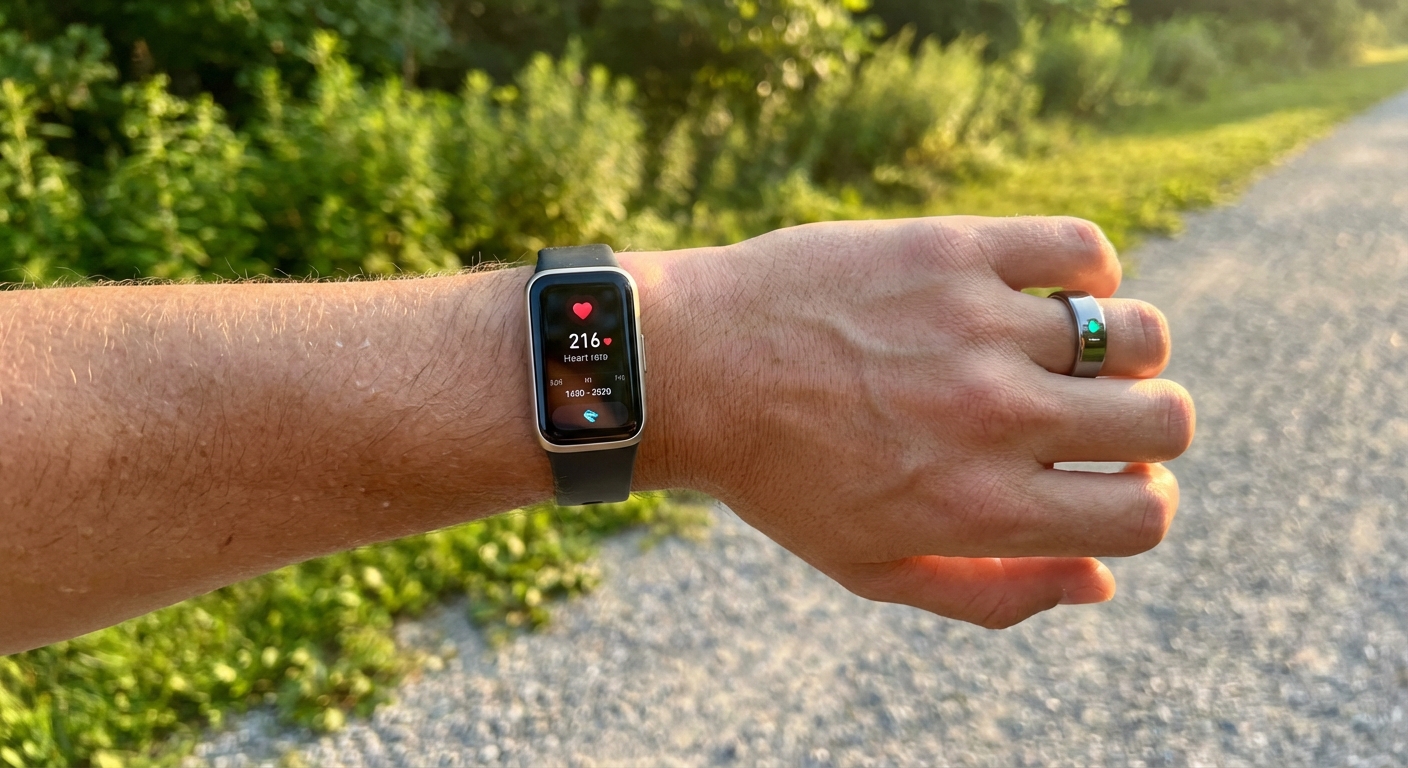
The growing trend: wearing both. Many health-conscious users in 2026 are wearing a smart ring for 24/7 passive monitoring and sleep tracking alongside a smartwatch for active workout sessions and daily convenience. The two devices complement rather than compete.
What to Look for When Buying a Smart Ring
The smart ring market has expanded rapidly, which means quality varies. Here is what matters most:
Sizing and fit are critical. Unlike a watch with adjustable bands, a ring must fit your finger precisely. Most reputable manufacturers ship a sizing kit first — a set of sample rings in different sizes so you can wear one for a day or two to find the right fit. This step is essential. A ring that is too loose will produce inaccurate readings, and one that is too tight will be uncomfortable.
Your finger size also changes throughout the day and with temperature. The best approach is to wear the sizing ring for at least 24 hours, including during sleep, before committing to a size.
Material matters for comfort and durability. Titanium is the gold standard — lightweight, hypoallergenic, and scratch-resistant. Some budget options use stainless steel or ceramic. Avoid anything that does not specify the material clearly.
App ecosystem and data access. The ring itself is just a sensor — the real value is in the companion app that interprets your data. Look for apps that provide clear, actionable insights rather than overwhelming you with raw numbers. Also check whether you can export your data or connect it to other health platforms.
Subscription requirements. Some smart ring manufacturers require a monthly subscription to access advanced features like detailed sleep analysis, readiness scores, or long-term trend tracking. Others include full functionality with the purchase price. Factor this into your total cost of ownership — a cheaper ring with a monthly subscription may cost more over two years than a premium ring with no ongoing fees.
Water resistance. Most quality smart rings are water-resistant to at least 100 meters, meaning you can shower, swim, and wash your hands without removing them. This is important for continuous tracking — the less you need to take it off, the better your data.
Practical Tips for Getting the Most From Your Smart Ring
Once you have a smart ring, these habits will help you get the most value:
- Wear it consistently. The real power of a smart ring is longitudinal data — trends over weeks and months. Sporadic use defeats the purpose
- Check your readiness score in the morning before planning your day. It takes 10 seconds and can genuinely improve how you allocate your energy
- Use temperature trends proactively. If your baseline temperature spikes, consider scaling back your plans — you may be fighting off an illness before symptoms appear
- Do not obsess over daily numbers. A single night of poor sleep or a low HRV reading is not meaningful on its own. Look at weekly and monthly trends instead
- Charge during a daily routine. Most people charge their ring while showering or during their morning routine. Consistency prevents dead batteries
The Bigger Picture: Screenless Health Tech
Smart rings represent a broader shift in how we think about wearable technology. After a decade of putting ever-larger screens on our wrists and cramming more notifications into every device, there is a growing counter-movement toward technology that monitors, analyzes, and advises — all without demanding your visual attention.
This "screenless" philosophy extends beyond rings. Expect to see more health-focused wearables in 2026 and beyond that prioritize ambient awareness over active engagement — patches, clips, and embedded sensors that work silently in the background.
The smart ring is leading this charge because it nails the fundamental value proposition: know more about your body while interacting with your technology less. In a world drowning in screens and notifications, that might be the most compelling feature of all.