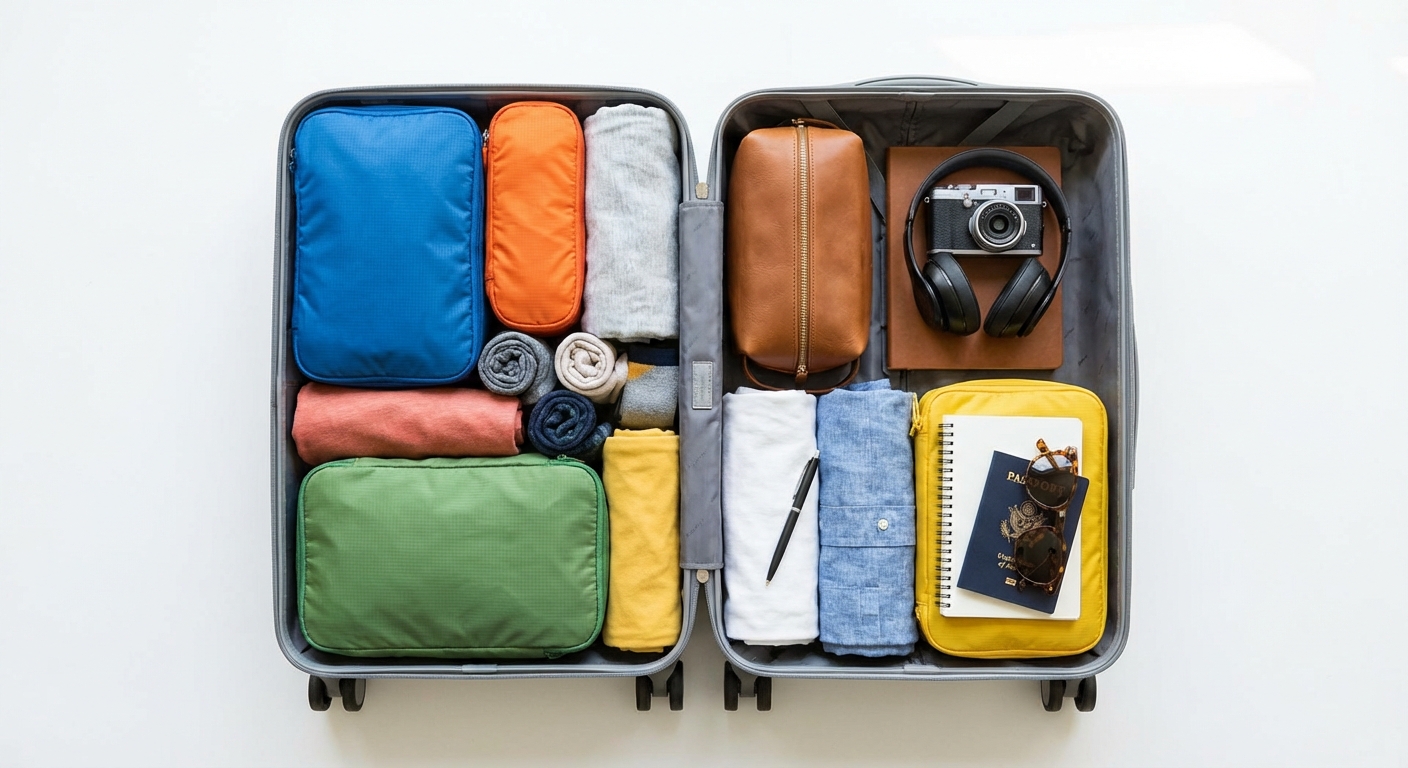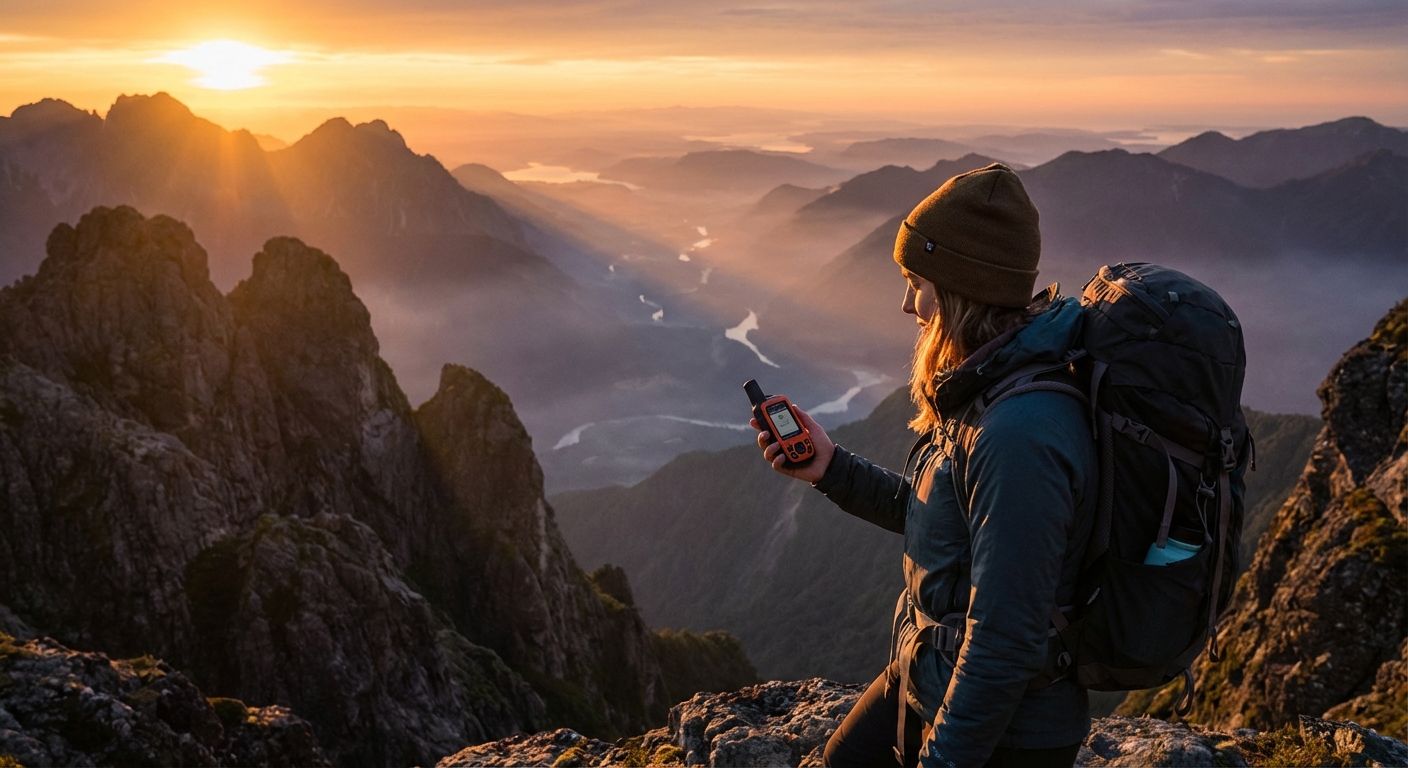
Solo travel is booming. More people are hitting the road alone than ever before — and the technology keeping them safe has evolved far beyond a basic GPS tracker and a whistle. In 2026, solo travelers have access to an entire ecosystem of safety gadgets that provide real-time location sharing, satellite communication in areas with zero cell coverage, biometric alerts, and discreet personal security devices that fit on a keychain.
Whether you are backpacking through remote mountain trails, navigating unfamiliar cities, or road-tripping across multiple countries, here is the safety tech that makes solo travel smarter and more secure.
Why Solo Travel Safety Tech Has Exploded
Several trends are fueling the demand for better solo travel safety technology:
- Solo travel is mainstream. What was once considered adventurous or even reckless is now a massive market segment. Travel industry data shows solo bookings have increased over 40 percent since 2023
- Remote destinations are more accessible. Better infrastructure and cheaper flights mean more travelers are venturing into areas with limited cell coverage and emergency services
- Satellite connectivity is affordable. Consumer-grade satellite messaging has dropped dramatically in price, putting off-grid communication within reach of budget travelers
- Awareness of personal safety has increased. Travelers — particularly women and those visiting unfamiliar regions — are prioritizing safety gear as an essential part of their packing list rather than an afterthought
The technology responding to these trends is impressive. Here is what is available and what actually works.
Satellite Messaging: Your Lifeline Beyond Cell Coverage
The single most important safety upgrade for solo travelers in 2026 is satellite messaging capability. Cell coverage disappears quickly outside urban areas — and when something goes wrong in a remote canyon, on a mountain ridge, or on a rural road, being able to call for help can be the difference between an inconvenience and a crisis.
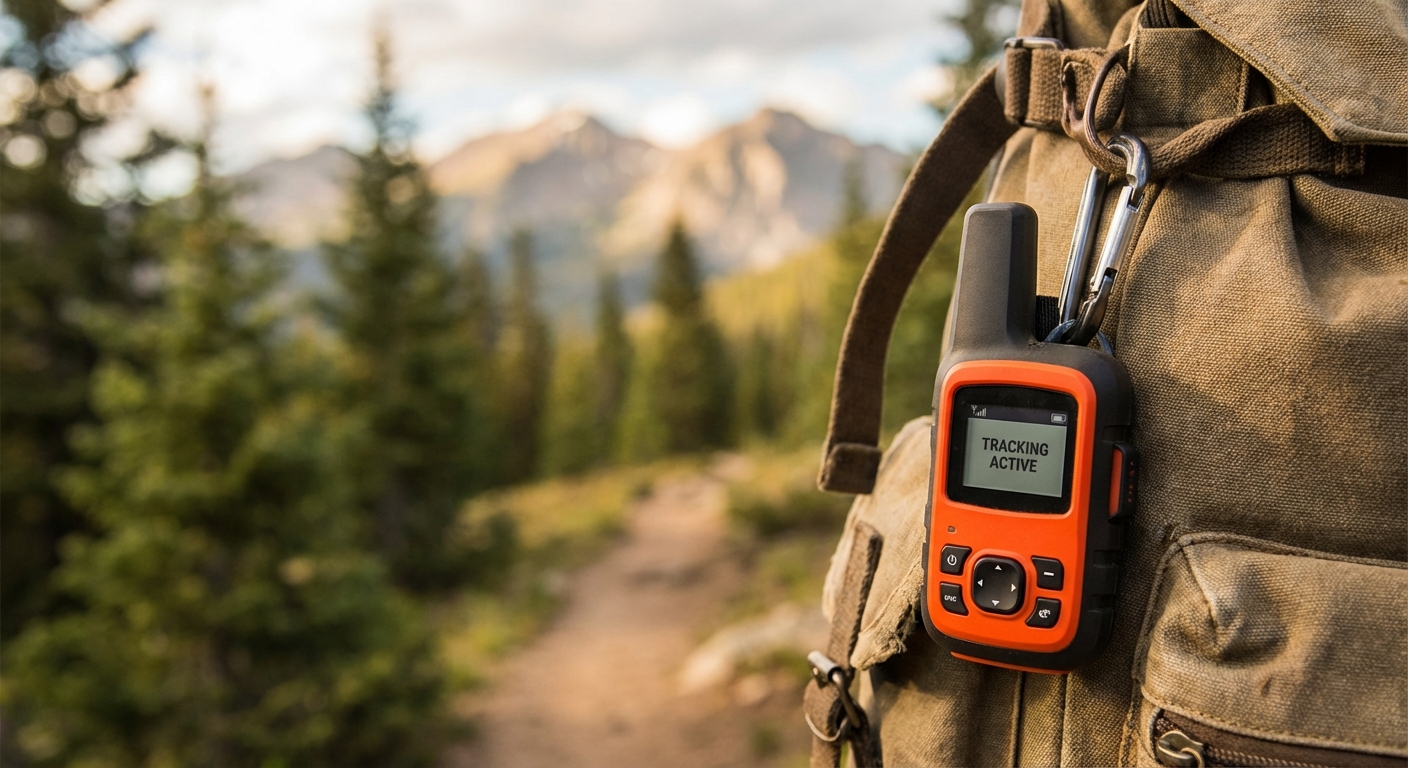
How satellite messaging works for travelers:
Modern satellite communicators connect to networks of low-earth orbit satellites that blanket the globe. Unlike cell towers, these satellites provide coverage virtually everywhere — from the middle of the Pacific Ocean to the peaks of the Himalayas.
Current devices offer several tiers of functionality:
- SOS emergency beacon — A one-button distress signal that transmits your exact GPS coordinates to a global rescue coordination center. This triggers professional search and rescue response, even in the most remote locations
- Two-way text messaging — Send and receive short text messages via satellite when you have no cell service. Let someone know you are running late, check in with family, or coordinate a pickup at a trailhead
- Location sharing — Automatically broadcast your GPS position at set intervals (every 10 minutes, every hour) to a web-based map that family or friends can monitor in real time
- Weather updates — Receive weather forecasts for your specific location, critical for outdoor activities where weather changes can be dangerous
The latest generation of satellite communicators has gotten remarkably small. Many are no larger than a car key fob and clip onto a backpack strap or belt loop. Some smartphone manufacturers have also built satellite SOS directly into their phones, providing basic emergency communication without any additional hardware.
What to look for in a satellite communicator:
- Two-way messaging — One-way SOS-only devices are better than nothing, but two-way communication lets you describe your situation and receive instructions from rescuers
- Subscription costs — Satellite messaging requires a monthly or annual subscription. Compare plans carefully — some include unlimited SOS but charge per text message, while others offer bundled message allowances
- Battery life — Look for devices that last at least 100 hours in tracking mode. Solar charging capability is a bonus for extended trips
- Global coverage — Verify the satellite network covers your destinations. Most major providers offer near-global coverage, but some have gaps at extreme latitudes
Personal Safety Wearables and Devices
Beyond satellite communication, a category of personal safety devices has emerged specifically for travelers navigating unfamiliar environments:
Wearable panic buttons have become discreet and sophisticated. The current generation includes devices disguised as jewelry — bracelets, pendants, and clips that look completely ordinary but contain GPS trackers and alert systems. When activated (usually by pressing a hidden button or twisting the device), they simultaneously send your GPS location to pre-selected emergency contacts, begin recording audio, and in some cases trigger a loud alarm.
The best devices offer multiple alert modes:
- Silent alert — Sends your location to contacts without making any sound, useful in situations where drawing attention could escalate danger
- Audible alarm — Triggers a piercing siren (typically 120+ decibels) designed to disorient an attacker and attract attention from bystanders
- Timed check-in — You set a timer, and if you do not manually check in before it expires, the device automatically alerts your contacts. Perfect for meeting someone from a travel app, going on a solo hike, or exploring an unfamiliar neighborhood at night
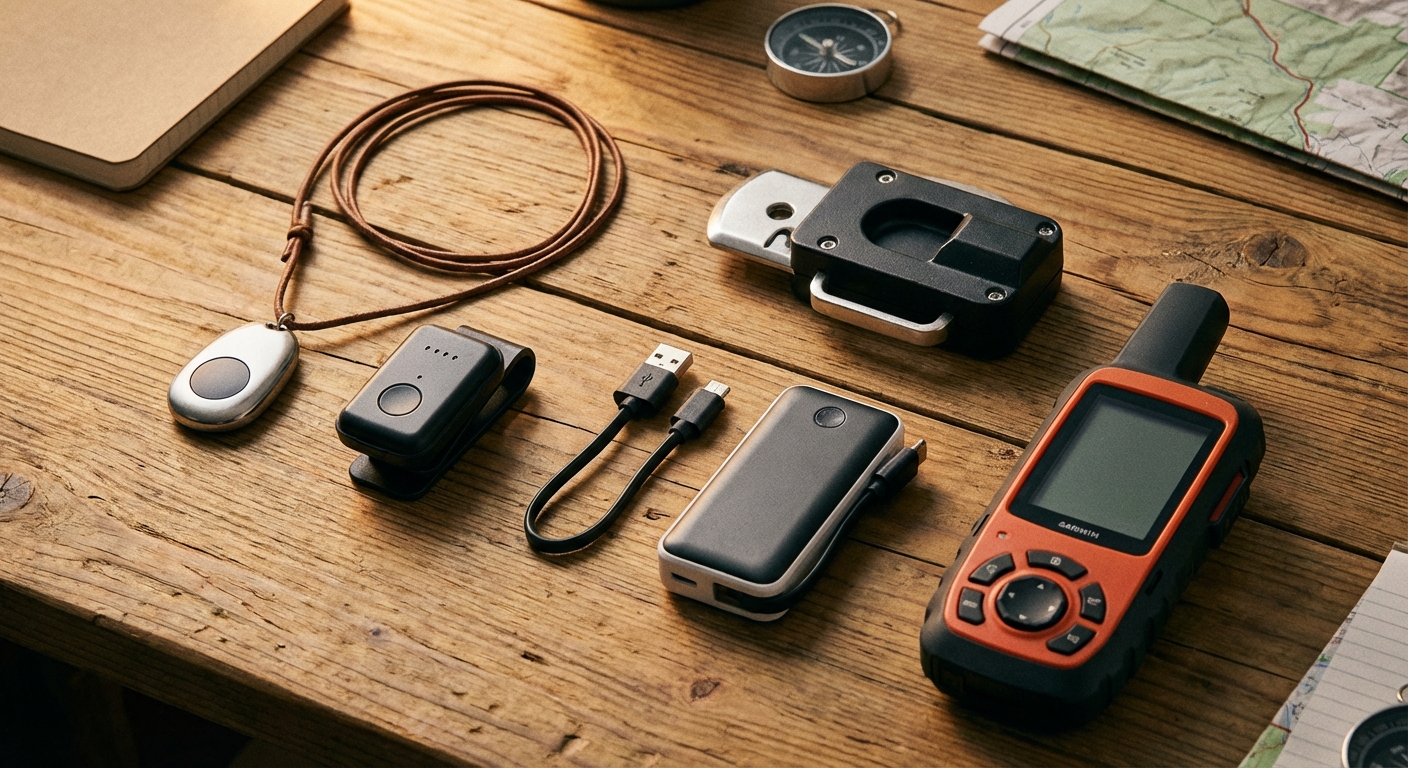
Hidden camera detectors have become an essential tool for solo travelers staying in short-term rentals, hostels, and budget accommodations. These pocket-sized devices scan for the infrared LEDs and radio frequencies emitted by hidden cameras. In 2026, the detection technology has become significantly more reliable — earlier generations produced frequent false positives, but current models can distinguish between legitimate electronics and surveillance devices.
Smart luggage tags and trackers ensure you always know where your belongings are. Modern trackers use a combination of Bluetooth, cell networks, and satellite positioning to provide location updates even when your bag is in an airport in a different country. Many now include motion alerts — if your bag moves when it should not, you get an immediate notification.
Smart Navigation for Unfamiliar Terrain
Getting lost is one of the most common safety risks for solo travelers, whether in a remote wilderness or an unfamiliar city. Navigation technology in 2026 addresses both scenarios:
Offline mapping has become incredibly detailed. You can download complete topographic maps, trail networks, and city street maps to your phone before departing, ensuring navigation works even without data connectivity. The latest offline maps include building interiors for airports and transit stations, trail difficulty ratings and recent condition reports from other hikers, water source locations and campsite information, elevation profiles with GPS-synced position tracking, and points of interest like emergency shelters and ranger stations.
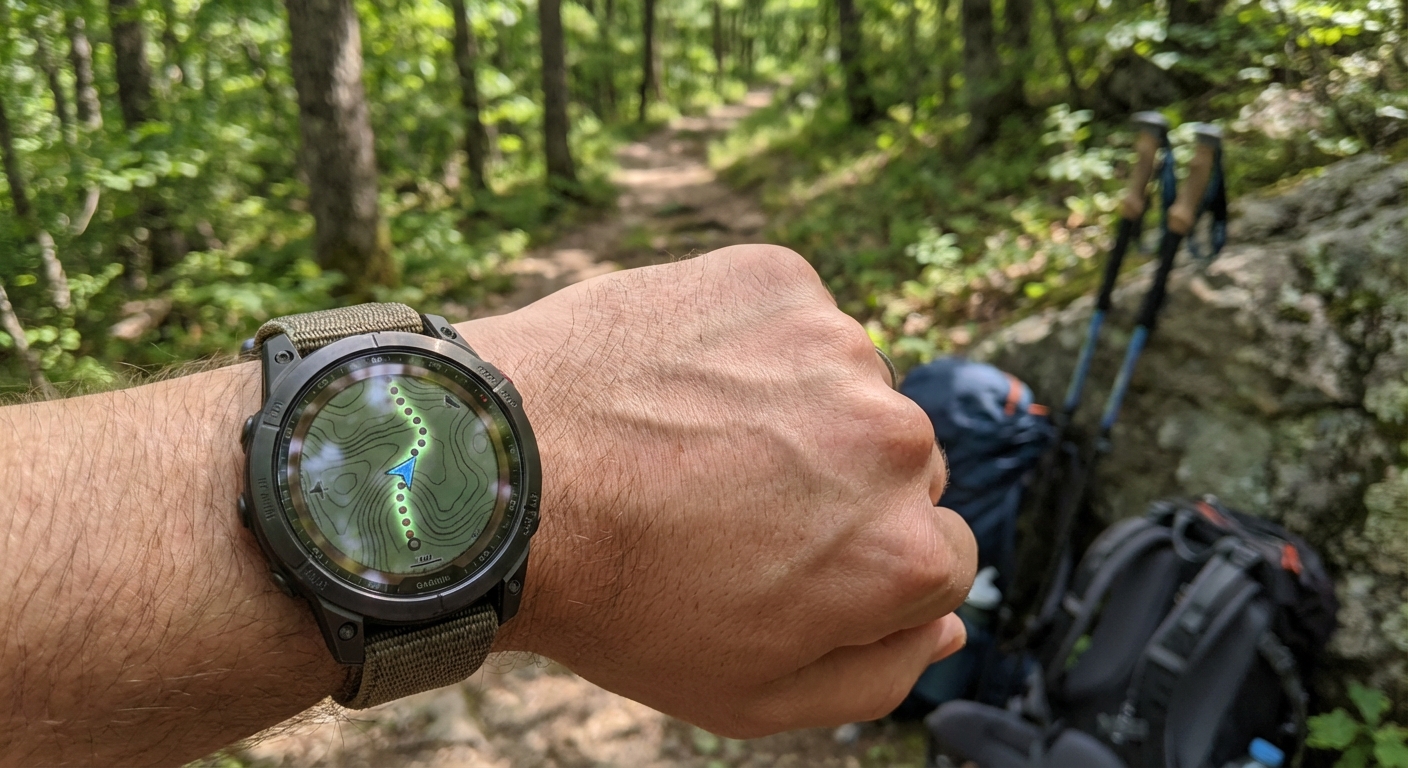
GPS watches with breadcrumb tracking automatically record your path as you move, allowing you to retrace your exact route if you become disoriented. This is invaluable on unmarked trails, in dense forests, or when exploring a winding city with no obvious landmarks. The latest watches also provide turn-by-turn navigation for pre-loaded routes and alert you when you deviate from your planned path.
Real-time translation built into earbuds and phones removes one of the biggest safety barriers in foreign countries — the inability to communicate in an emergency. Modern translation handles conversational speech with surprising accuracy across dozens of languages, and critically, it works offline once language packs are downloaded.
Building Your Solo Travel Safety Kit
The right safety kit depends on your travel style. Here are practical setups for different types of solo travel:
For city and cultural travel:
- A personal safety wearable with silent alert and timed check-in
- A hidden camera detector for accommodation screening
- Luggage trackers on all bags
- Offline city maps with transit routes downloaded
- A portable door lock or door alarm for hotel and hostel rooms
For hiking and outdoor adventure:
- A satellite communicator with two-way messaging and SOS
- A GPS watch with breadcrumb tracking and offline topo maps
- A personal locator beacon as a backup emergency device
- A portable solar charger to keep devices powered on multi-day trips
- A headlamp and whistle — low-tech but critical
For road trips and multi-country travel:
- A satellite communicator for areas between cell coverage zones
- Luggage and vehicle trackers
- Offline maps for every region on your route
- A personal safety wearable for city stops
- An international eSIM or multi-country data plan to maintain connectivity across borders without swapping physical SIM cards
Sharing Your Location Without Sacrificing Privacy
One of the most practical safety measures for solo travelers is location sharing — letting trusted contacts know where you are. But many travelers hesitate because they do not want to feel monitored or give up their sense of independence.
Modern location-sharing tools address this with granular control:
- Scheduled sharing — Share your location only during specific activities (a hike, an evening out) and automatically stop when the activity ends
- Trip-based sharing — Create a trip with start and end dates. Location sharing activates for the duration and stops automatically when you return
- Circle-based permissions — Share with specific people for specific trips. Your hiking buddy sees your trail location; your family sees your city-level location
- Emergency override — Even if active sharing is off, an SOS activation shares your precise location with all designated contacts
The key insight is that location sharing is not surveillance — it is insurance. You hope nobody ever needs to check it, but if something goes wrong, it can dramatically accelerate getting help.
Essential Habits Beyond Technology
No amount of technology replaces basic solo travel safety practices:
- Tell someone your plans. Share your itinerary, accommodation details, and expected check-in times with a trusted contact before every trip
- Trust your instincts. If a situation feels wrong, leave. Technology is a backup for your judgment, not a replacement
- Keep devices charged. Carry a portable battery and charge your safety devices every night. A dead satellite communicator is just a paperweight
- Register with your embassy. Most countries offer traveler registration programs that allow consular assistance in emergencies
- Carry physical backup. A paper copy of your passport, emergency contacts written down, local emergency numbers, and enough local currency to get to safety without relying on digital payments
The Bottom Line
Solo travel in 2026 is safer than it has ever been — not because the world is less dangerous, but because the tools available to independent travelers have become remarkably capable. Satellite messaging puts global communication in your pocket. Personal safety wearables provide discreet protection in urban environments. Smart navigation ensures you can always find your way.
The best solo travel safety strategy combines the right technology with sound judgment and preparation. Pack the gear, share your plans, trust your instincts, and go explore the world with confidence.