The Biggest Shift in Travel Is Not About Where — It Is About Why
For decades, trip planning started with a destination. You picked a place — a beach, a city, a mountain — and then figured out what to do there. The destination was the point.
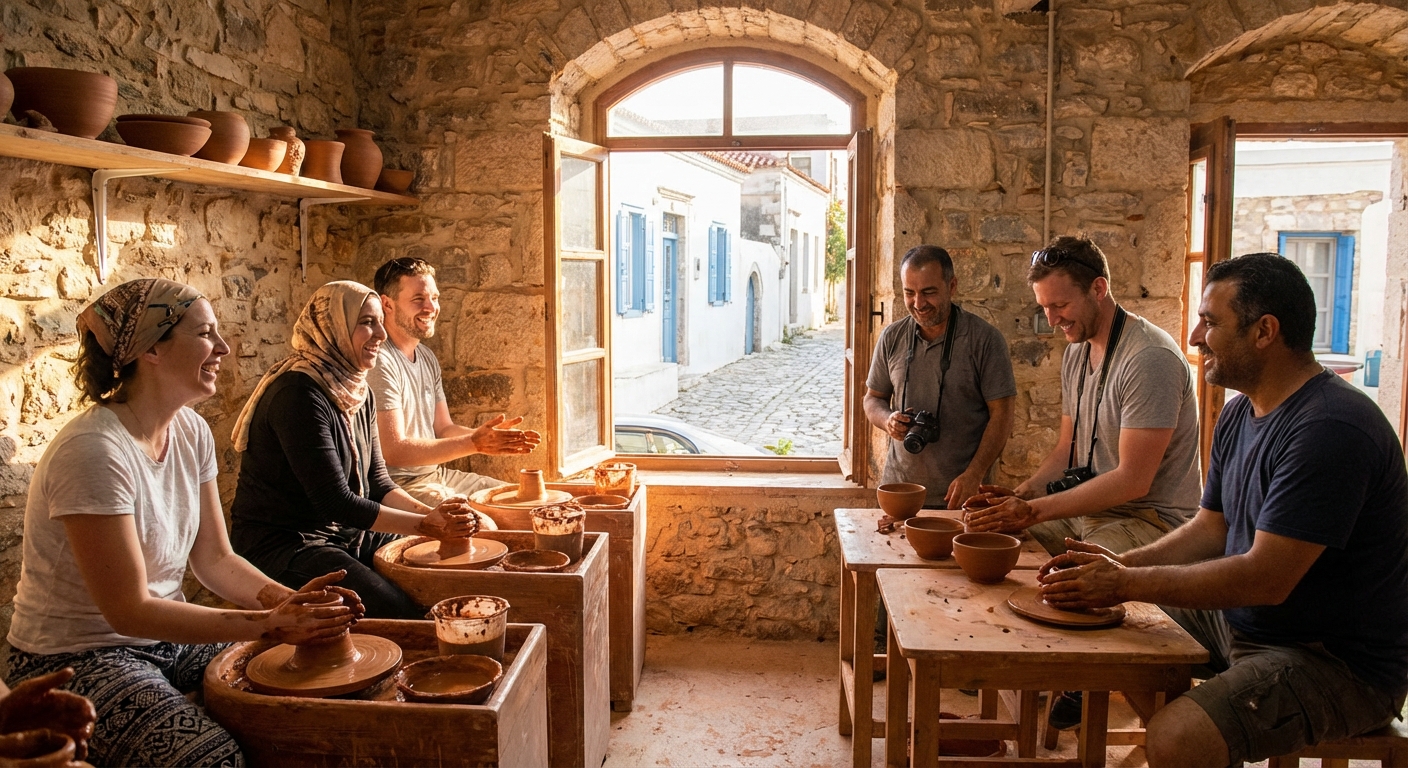
That script is flipping. A growing movement of travelers now starts with a purpose and lets the destination follow. They want to learn pottery, so they find a village in Portugal where a master ceramicist teaches workshops. They want to reconnect with family without screens, so they book a remote cabin with no Wi-Fi. They want to finally write the novel they have been thinking about for years, so they find a quiet residency program in the countryside.
Travel researchers have coined a term for this shift: the whycation. And it is not a niche trend — it is rapidly becoming the default way a significant portion of travelers plan their trips.
What Exactly Is a Whycation?
A whycation is any trip where the primary motivation is a specific purpose or intention rather than a destination. The destination becomes a means to an end — chosen because it best supports the traveler's goal, not because it appeared on a list of trending destinations.
This is more than semantics. Purpose-driven travelers make fundamentally different choices. They stay longer, spend more locally, engage more deeply with communities, and consistently report higher satisfaction than destination-first travelers. They are also more likely to visit off-the-beaten-path locations, because the best pottery teacher or the best surf break or the best meditation retreat might be in a place they would never have considered otherwise.
The categories of whycations are broad and personal.
Creative pursuits — photography workshops, writing retreats, cooking classes, art intensives. Travelers who want to develop a skill in an immersive environment where there are no daily distractions.
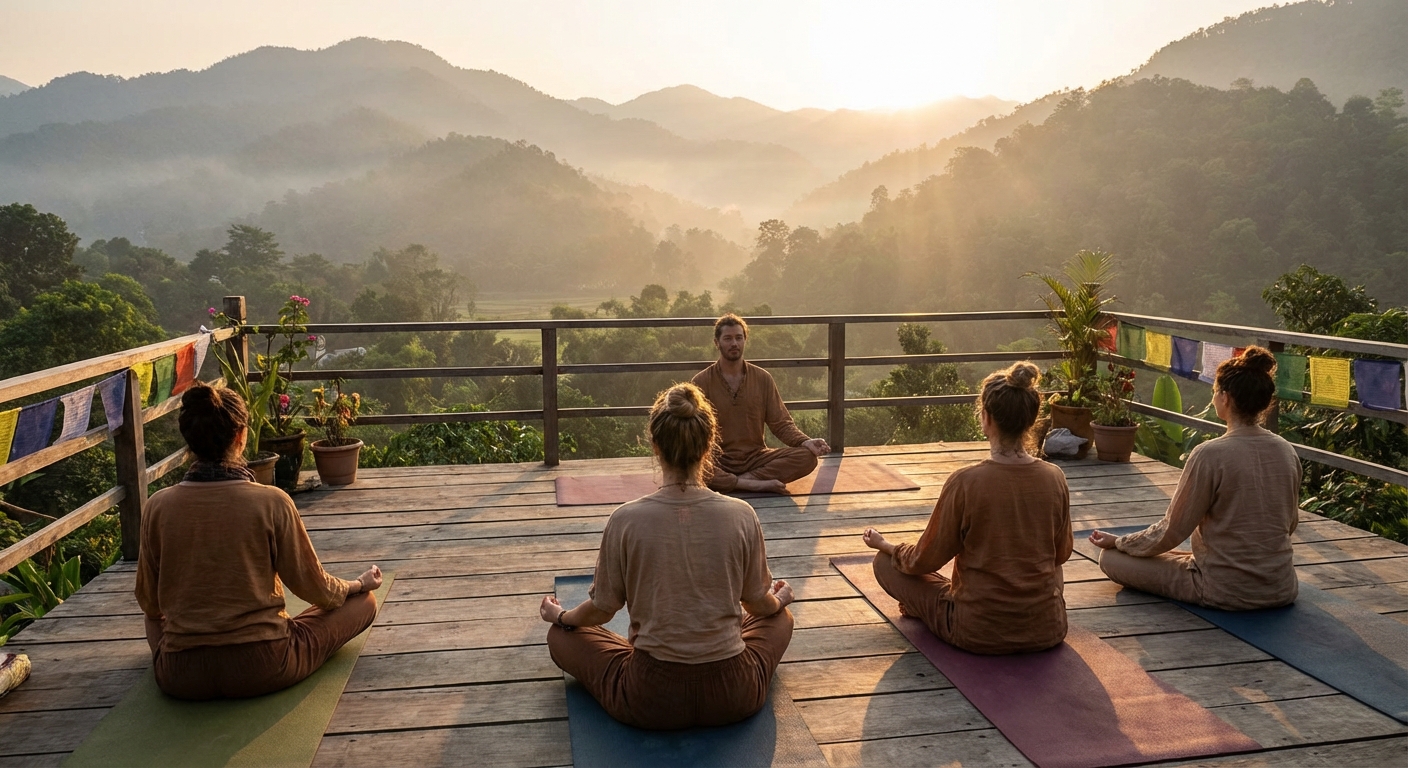
Wellness and restoration — yoga retreats, digital detox programs, silent meditation weekends, thermal bath circuits. The goal is not sightseeing but genuine rest and recalibration.
Heritage and roots — visiting ancestral homelands, tracing family history, reconnecting with cultural traditions. DNA testing services have fueled a surge in heritage travel as people discover specific regions and villages connected to their family story.
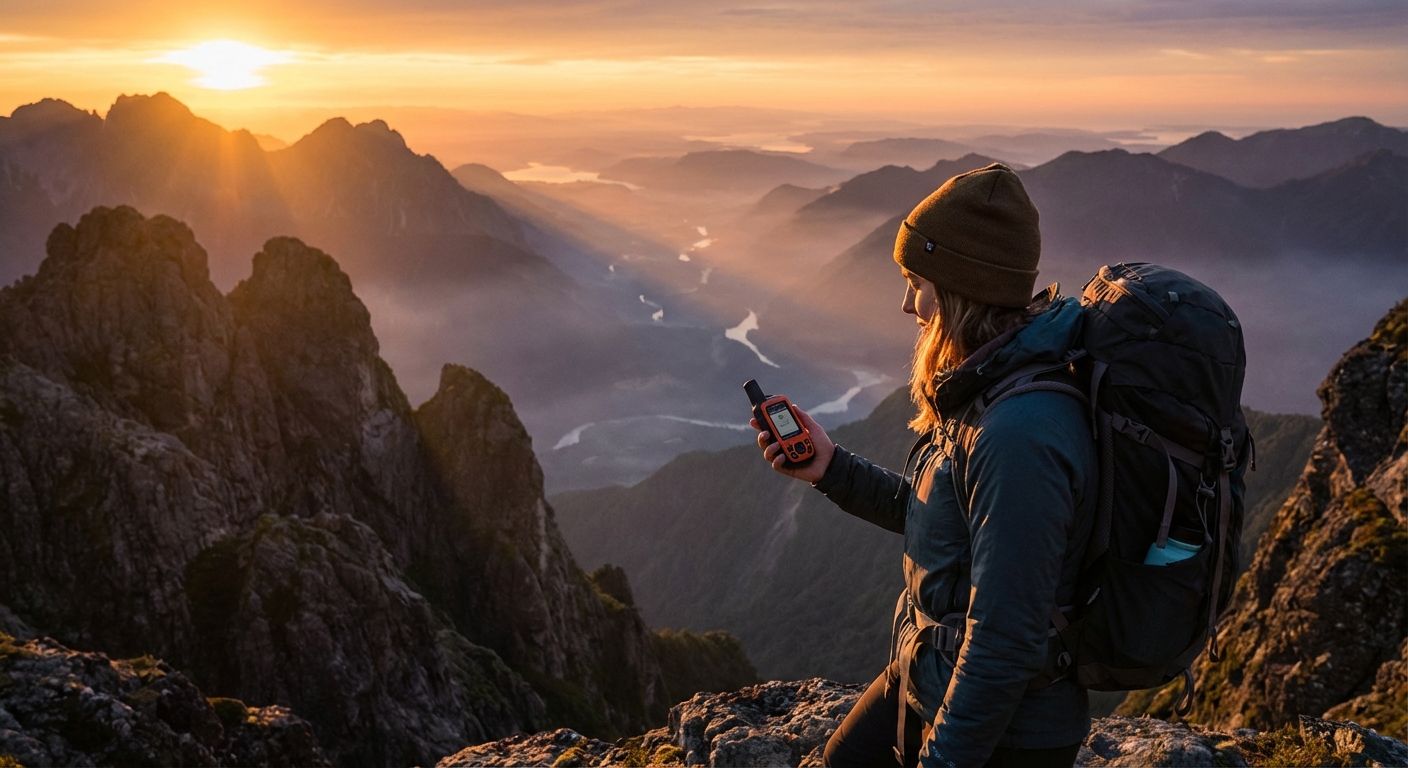
Physical challenges — hiking a specific trail, completing a multi-day cycling route, learning to surf, training for altitude. The trip is structured around an athletic goal.
Social connection — multigenerational family trips designed around shared activities, friend group reunions with a built-in structure, solo travel specifically for meeting new people through group experiences.
Why This Trend Is Accelerating Now
Several forces are converging to push purpose-driven travel mainstream.
Post-pandemic travel fatigue is real. After the initial burst of revenge travel — cramming in as many destinations as possible after years of lockdowns — many travelers are reporting a sense of emptiness. Checking places off a bucket list turns out to be less fulfilling than deeply experiencing fewer places with clear intention.
Airfare affordability is helping. Spring 2026 airfares are running seven to eight percent below last year across major routes. Lower costs reduce the pressure to justify a trip purely through destination prestige. When flights are cheaper, travelers feel more freedom to choose unusual destinations that serve a specific purpose.
Remote work has blurred the lines. The ability to work from anywhere has taught millions of people that you can be productive outside your home city. This has made longer, slower, more intentional trips feasible for people who previously could only take one or two weeks of vacation per year.
Social media influence is shifting. The era of traveling purely for the Instagram photo is giving way to a desire for genuine experiences. Content creators are increasingly sharing the story behind a trip — the skill they learned, the person they met, the challenge they overcame — rather than just the sunset photo.
How to Plan Your Own Whycation
Planning a purpose-driven trip is a different process than planning a destination vacation. Here is a practical framework.
Start with the why, not the where. What do you want to feel, learn, accomplish, or experience? Write it down specifically. "I want to relax" is too vague. "I want three days with no phone, no schedule, and access to natural hot springs" is actionable.
Research providers, not destinations. Once you know your purpose, search for the people and programs that can deliver it. The best cooking instructor, retreat leader, trail guide, or workshop facilitator will determine your destination. Read reviews focusing on the quality of instruction and experience, not the amenities.
Build in unstructured time. Purpose-driven does not mean over-scheduled. The most satisfying whycations include significant buffer time for wandering, reflecting, and spontaneous discovery. A three-day pottery workshop does not need evening activities planned for every night.

Stay longer in fewer places. Whycations reward depth over breadth. Rather than hitting four cities in ten days, spend the full ten days in one place. You will build routines, discover local spots that tourists never find, and develop a genuine connection with the place and its people.
Consider shoulder seasons. Purpose-driven trips often work better outside peak travel periods. Workshops and retreats frequently offer better pricing and smaller group sizes in shoulder seasons. The weather might be slightly less perfect, but the experience is often richer.
Document the journey, not just the destination. Bring a journal. Take photos of the process — your hands covered in clay, the view from your morning run, the meal you learned to cook. These personal records become far more meaningful than generic landmark photos.
Unexpected Destinations Worth Exploring
One of the most exciting byproducts of the whycation movement is the discovery of destinations that traditional tourism overlooks. When your trip is purpose-driven, you end up in places chosen for their expertise, culture, or natural features rather than their marketing budgets.
Small towns with strong artisan traditions are seeing a boom in creative travelers. Rural regions with exceptional natural landscapes are attracting wellness seekers. University towns are drawing lifelong learners for short courses and cultural immersion. Agricultural regions are welcoming food-curious travelers for farm stays and harvest experiences.
The common thread is authenticity. Purpose-driven travelers seek genuine experiences in places that have not been overly shaped by tourism. And these travelers tend to be more respectful and engaged — they are there to learn and participate, not just observe and consume.
The Deeper Reward
The most compelling argument for purpose-driven travel is not practical — it is personal. People who travel with intention consistently report that their trips feel more meaningful, memorable, and transformative than traditional vacations.
This makes intuitive sense. A week spent learning to cook regional dishes alongside local home cooks creates different memories than a week spent moving between hotels and tourist attractions. A hiking trip where you pushed past your comfort zone and summited a challenging peak changes how you see yourself in ways that a beach vacation simply cannot.
The whycation is not about rejecting relaxation or fun. It is about recognizing that the most restorative, most enjoyable, most memorable travel experiences often come from having a clear reason to go — and letting that reason guide every decision that follows.