Sustainability in outdoor gear has moved past the era of flimsy eco-friendly products that fell apart on the second trip. In 2026, the best sustainable outdoor gear is not just matching the performance of conventional alternatives — in many cases it is exceeding it.
But navigating the world of sustainable gear still requires knowing what to look for and what to avoid. Greenwashing remains rampant, certifications can be confusing, and the most environmentally responsible choice is not always the one with the biggest eco-label on the tag. Here is a practical guide to choosing outdoor gear that is genuinely better for the planet without compromising your experience on the trail.
Why Sustainable Gear Matters More Than You Think
The outdoor industry has an uncomfortable paradox at its core: people who love nature are funding products that harm it. The conventional outdoor gear supply chain involves petroleum-based synthetic fabrics, toxic durable water repellent (DWR) coatings, energy-intensive manufacturing, and products designed to be replaced every few seasons.
The numbers are sobering:
- Synthetic fabrics like nylon and polyester are derived from fossil fuels and shed microplastics with every wash
- PFAS chemicals used in traditional waterproof coatings persist in the environment for thousands of years and have been found in water supplies near manufacturing facilities
- Textile waste from the apparel industry generates over 90 million tons of waste globally each year
- Carbon footprint of a single synthetic jacket includes raw material extraction, chemical processing, manufacturing, and global shipping
The good news is that 2026 has brought genuine material breakthroughs — not just incremental improvements — that address these issues at a fundamental level.
Material Innovations That Change the Game
The most exciting developments in sustainable outdoor gear are happening at the material science level:
Recycled and Bio-Based Fabrics
Recycled polyester made from post-consumer plastic bottles has been around for years, but the 2026 generation is dramatically better. Advanced chemical recycling processes now produce recycled fibers that are virtually indistinguishable from virgin polyester in strength, softness, and durability. Some manufacturers have achieved fully closed-loop recycling — turning old gear into new gear rather than downcycling to lower-grade products.
Bio-based alternatives are also maturing. Fabrics derived from plant sources like castor beans and algae are appearing in performance categories where they would have been unthinkable a few years ago — including base layers, insulation, and even waterproof membranes.
PFAS-Free Water Repellency
This is arguably the biggest sustainability story in outdoor gear right now. PFAS (per- and polyfluoroalkyl substances) have been the industry standard for durable water repellent coatings for decades because nothing else performed as well. But their extreme environmental persistence — earning them the nickname "forever chemicals" — has pushed the industry to find alternatives.
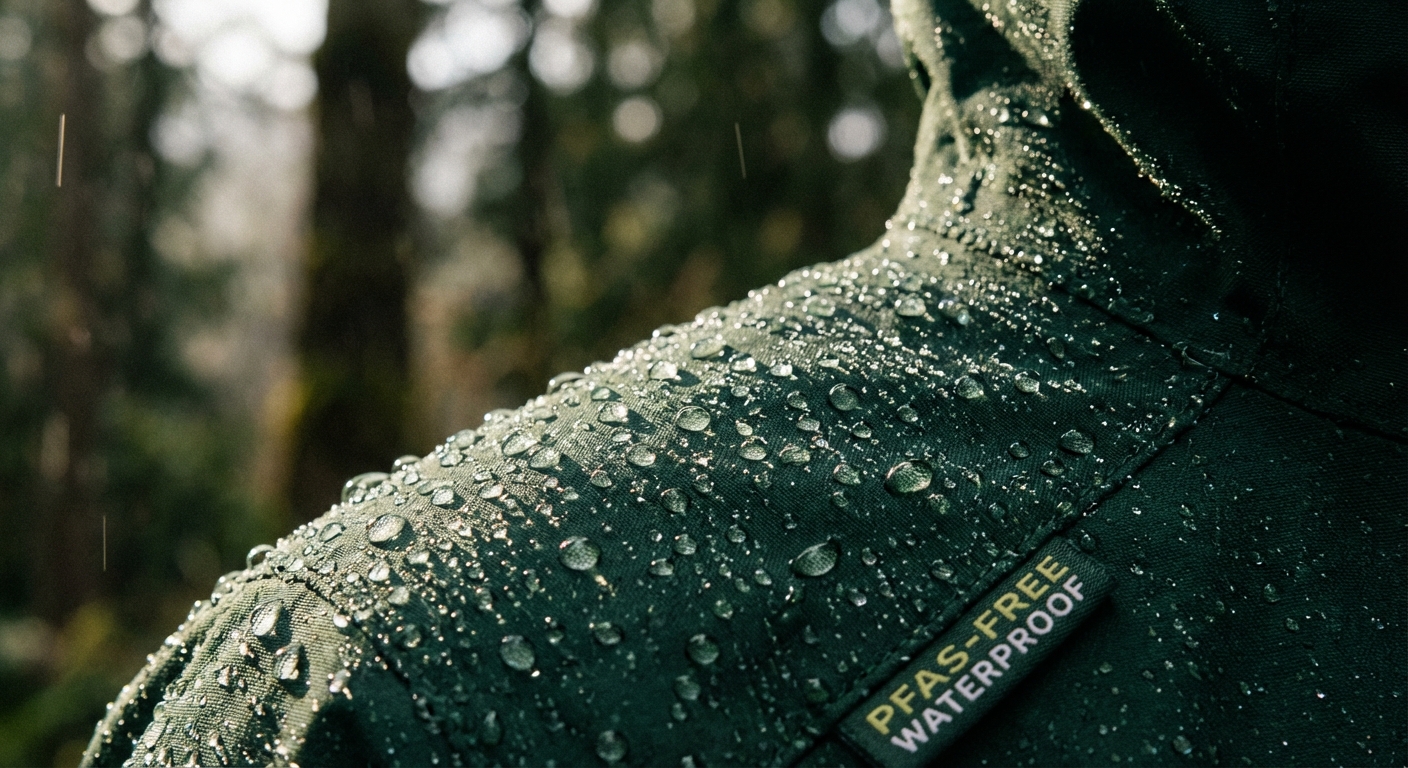
In 2026, several PFAS-free DWR technologies have reached performance parity with traditional coatings. These bio-based and silicone-based alternatives bead water effectively, maintain breathability, and hold up through repeated washing. Some early PFAS-free coatings wore off quickly, but the current generation is proving durable enough for serious outdoor use.
What to look for: gear labeled "PFC-free" or "PFAS-free" from manufacturers who have committed to eliminating these chemicals across their entire product line.
Responsible Down and Synthetic Insulation
Down insulation remains one of the warmest options per weight, and responsible sourcing standards have improved significantly. Look for certified responsible down that ensures birds are not live-plucked or force-fed. Traceability from farm to finished product is now possible through blockchain-based supply chain tracking.
On the synthetic side, insulations made from recycled materials now match the warmth and compressibility of conventional alternatives. Some manufacturers are also developing bio-based synthetic insulations that biodegrade at end of life instead of persisting in landfills.
How to Evaluate Sustainability Claims
Greenwashing is the biggest challenge for consumers trying to make responsible choices. Here is a practical framework for evaluating claims:
Credible signals:
- Third-party certifications — Look for bluesign, OEKO-TEX, Fair Trade Certified, and Responsible Down Standard. These involve independent auditing
- Specific numbers — "Made with 87% recycled content" is credible. "Made with eco-friendly materials" is not
- Full supply chain transparency — Companies that publish their factory lists and material sourcing details are more trustworthy than those that do not
- Repair programs — Brands that offer repair services are putting their money where their mouth is about product longevity
Red flags:
- Vague language — Terms like "eco-conscious," "earth-friendly," or "green" without specific details are marketing, not substance
- Single-attribute claims — A jacket made from recycled fabric but coated with PFAS chemicals is not truly sustainable. Look at the whole product
- No certification details — If a company claims sustainability but cannot name specific certifications or standards, be skeptical
- Disposable pricing — Gear priced to be replaced every season is inherently unsustainable regardless of what it is made from
The Most Sustainable Gear Is the Gear You Already Own
Before buying anything new, the single most impactful thing you can do is extend the life of what you already have:
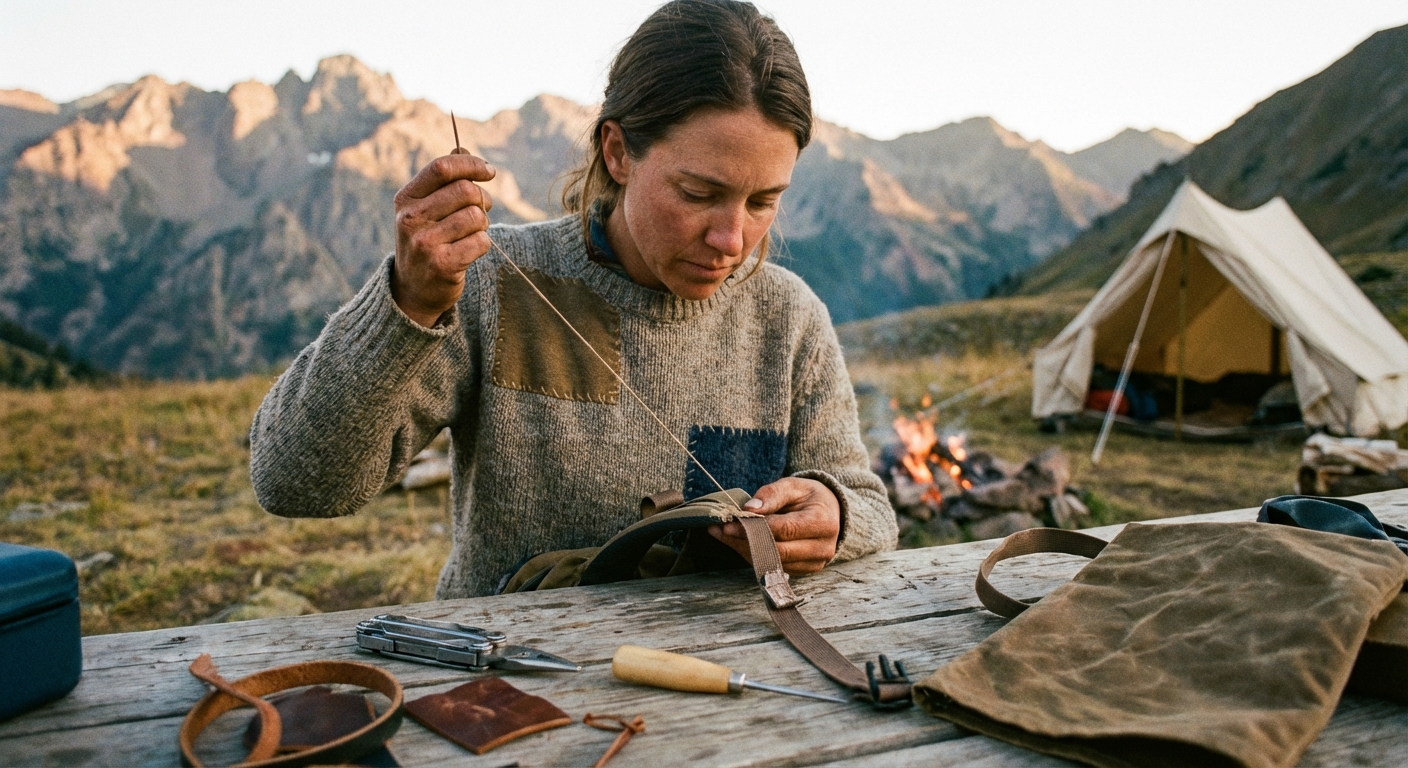
- Repair before replacing — A patched jacket is more sustainable than a new recycled one. Many outdoor brands offer repair services, and basic gear repair skills are easy to learn
- Wash less frequently — Outdoor clothing does not need to be washed after every use. Airing out base layers and spot-cleaning shells extends their life and reduces microfiber shedding
- Re-waterproof proactively — Reapplying DWR coating to an existing jacket is far better than buying a replacement when the water stops beading
- Store gear properly — Hanging sleeping bags and stuffing down jackets loosely maintains loft and extends insulation life by years
- Buy used — The secondhand outdoor gear market has exploded. Buying quality used gear is the most environmentally responsible purchase you can make
Building a Sustainable Gear Kit by Category
Here is what to prioritize when building or upgrading your outdoor kit with sustainability in mind:
Base Layers
Merino wool is the standout sustainable choice for base layers. It is renewable, biodegradable, naturally odor-resistant (meaning fewer washes), and performs exceptionally well across temperature ranges. Look for mulesing-free wool from farms with responsible land management practices.
Blended merino-synthetic fabrics offer improved durability while maintaining many of wool's sustainability advantages.
Insulation Layers
For insulated jackets and sleeping bags, responsibly sourced down remains the gold standard for warmth-to-weight ratio and longevity. Down products that are well cared for can last 10 to 20 years. For wet conditions, recycled synthetic insulation is the better choice and now performs impressively.
Waterproof Shells
Prioritize PFAS-free waterproof jackets. The technology has caught up, and you are no longer sacrificing meaningful performance. Look for jackets with durable construction — reinforced high-wear areas, quality zippers, and repairable design — since the shell is one of the most resource-intensive items in your kit.
Footwear
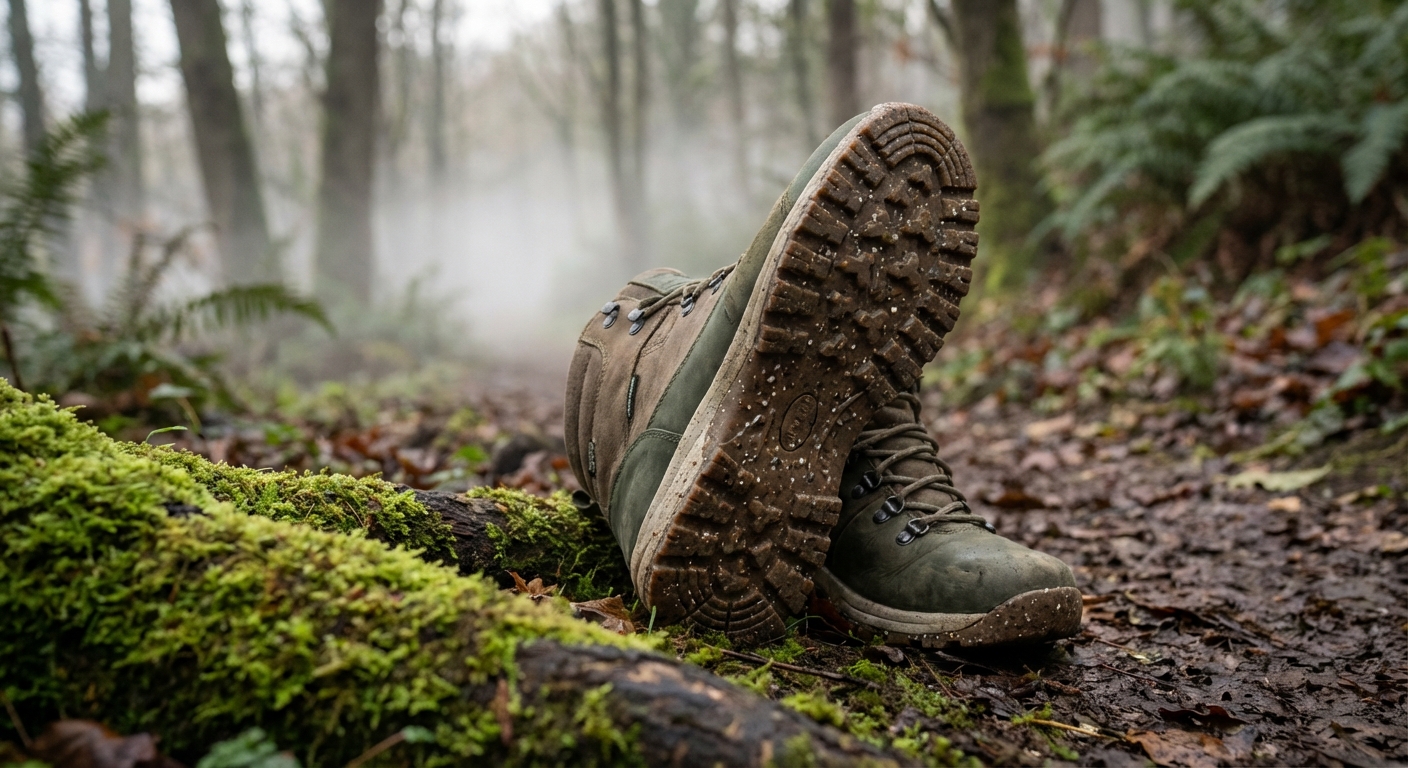
Sustainable footwear is catching up to other categories. Look for shoes with recycled rubber outsoles, bio-based midsole foams, and uppers made from recycled or organic materials. Resoleable boots are the most sustainable long-term footwear choice — you replace the outsole, not the entire boot.
Backpacks
Backpacks made from recycled fabrics are widely available and perform identically to those made from virgin materials. Look for packs with replaceable components — hip belts, shoulder straps, and buckles that can be swapped out extend the pack's useful life significantly.
The Cost Question
Sustainable gear often carries a higher upfront price, but the total cost of ownership frequently favors quality sustainable products:
- A well-made sustainable jacket that lasts eight years costs less per year than a cheaper alternative replaced every two to three years
- Repair programs extend product life, pushing the cost-per-use even lower
- Higher-quality materials often perform better, meaning you need fewer layers and less backup gear
Think of sustainable gear purchases as investments rather than expenses. The trail towards a more sustainable outdoor kit does not require replacing everything at once — make deliberate choices each time something wears out, and over time your kit transforms.
Looking Ahead
The outdoor gear industry is accelerating its sustainability efforts, driven by both consumer demand and tightening regulations on chemicals like PFAS. Material science is delivering solutions that eliminate the old trade-off between sustainability and performance.
The most encouraging trend in 2026 is that sustainability is becoming an engineering challenge rather than a marketing angle. When companies compete on who can make the most durable, repairable, and responsibly produced gear, everyone — hikers, climbers, and the planet — wins.